

Project Overview
案例概述
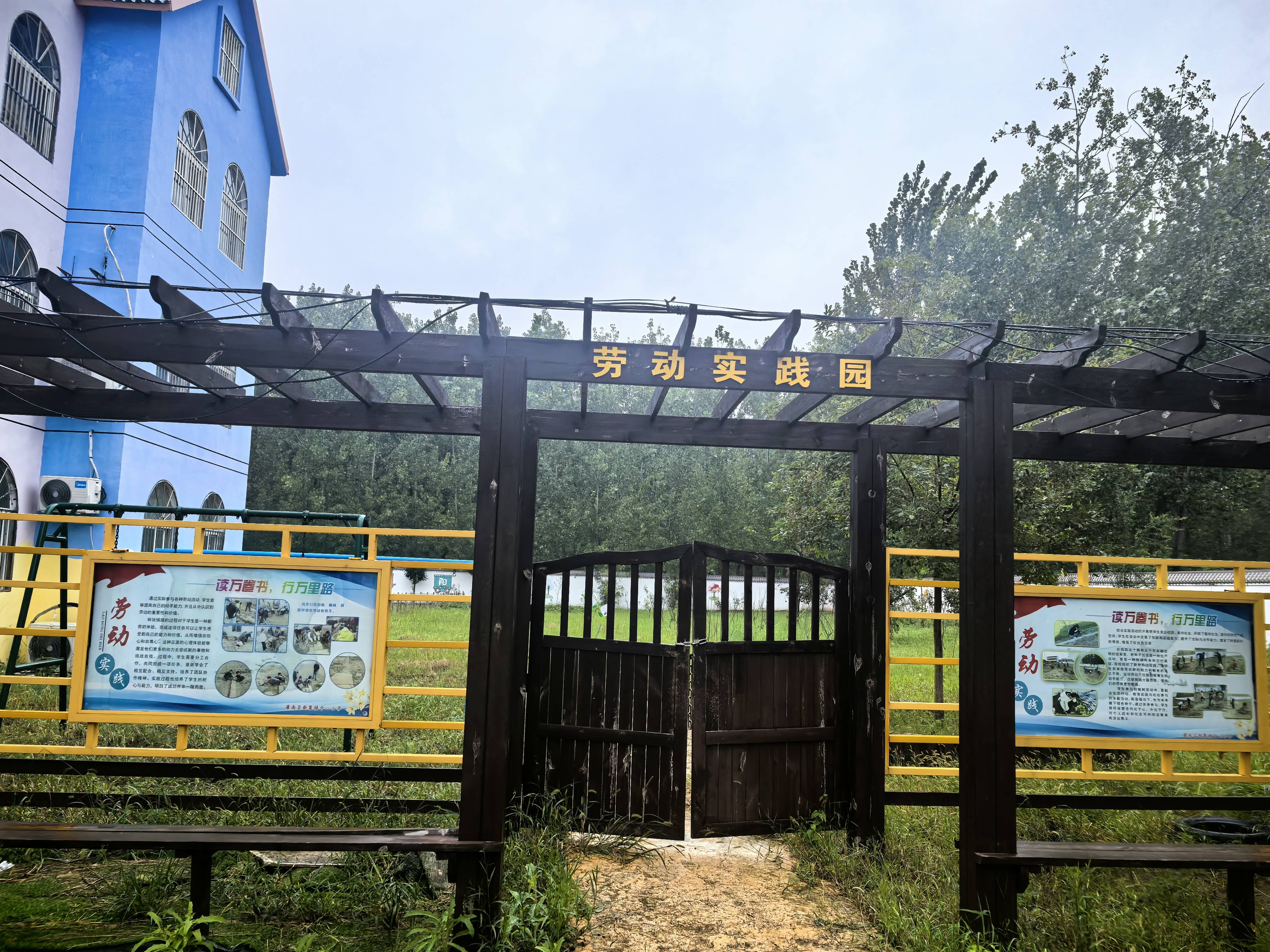
1. In March 2023,
Xinji Town Central Primary School in Guannan County, Lianyungang City, Jiangsu
Province, utilized a long-abandoned corner (about 120 square meters) on campus
and mobilized students from grades three to six to independently design and
build a micro-ecological vegetable garden.
2023年3月,江苏省连云港市灌南县新集镇中心小学利用校园内一处长期荒废的角落(约120㎡),发动三至六年级学生自主设计并建设微型生态菜园。
2. The project is
named "Little Hands Planting Green". It aims to reuse the idle space
through hands-on activities such as digging the ground, building ridges,
planting radishes, green vegetables and local fruit tree seedlings (such as
peach and pear trees), combined with regular weeding, watering, composting and
other daily management.
项目名为“小手种绿意”,旨在通过亲手挖地、垒埂、种植萝卜、青菜及本地果树苗(如桃树、梨树),结合定期除草、浇水、堆肥等日常打理,实现闲置空间再利用。
3. As of March
2025, a total of 48 labor classes and environmental protection theme activities
have been carried out, covering all 620 students in the school.
截至2025年3月,累计开展劳动课与环保主题活动48次,覆盖全校620名学生。
4. The annual
vegetable production is about 80 kilograms, which are mainly used to supplement
the school canteen's ingredients or sold at charity sales for donation. The
project has significantly enhanced students' awareness of ecological protection
and formed a campus green model featuring "low investment, sustainability
and high participation".
年产蔬菜约80公斤,主要用于食堂补充食材或义卖捐赠,显著提升学生的生态保护意识,形成“低投入、可持续、重参与”的校园绿色模式。

Company/Organization Profile
机构简介
1. Xinji Town
Central Primary School is a typical rural compulsory education school. It
currently has 352 students and 61 teachers.
新集镇中心小学是一所典型的农村义务教育学校,现有学生352人,教师61人。
2. Located in the
economically underdeveloped area of northern Jiangsu, the school faces
relatively scarce educational resources. However, it has always attached great
importance to labor education and ecological civilization enlightenment.
地处苏北经济欠发达地区,教育资源相对紧张,但始终重视劳动教育与生态文明启蒙。
3. In recent years,
it has actively promoted the construction of a "green campus". Without
special funds, it encourages teachers and students to use their creativity to
transform the micro-spaces on campus.
近年来积极推动“绿色校园”建设,在无专项资金支持的情况下,鼓励师生发挥创造力,改造校园微空间。
4. Adhering to the
educational concept of "starting from the things around", the school
integrates environmental protection into courses and daily life. It has won the
title of "Civilized Campus" at the county-level.
学校坚持“从身边做起”的育人理念,将环保融入课程与生活,曾获县级“文明校园”称号。

Project Outcome
项目成果
1. Annual reduction
of campus organic waste external transportation volume by approximately 30 kg
(used for composting and returning to the field).
年均减少校园有机废弃物外运量约30公斤(用于堆肥还田)。
2. Achieved annual
energy savings equivalent to approximately 30 kgce of standard coal (reducing
energy consumption from transportation and packaging of purchased vegetables).
实现年节能量折合标准煤约30kgce(减少外购蔬菜运输与包装能耗)。
3. Mobilized a
total of over 1200 student person-times to participate in planting and
environmental protection practice activities.
动员学生累计超1200人次参与种植与环保实践活动。
4. The
reutilization rate of waste tires, old bricks and stones, etc. reached 95%,
with zero new building materials procurement.
废弃轮胎、旧砖石等再利用率达95%,零新增建材采购。
5. Improved the
local campus micro-environment, increased green coverage rate by 7%, and
beautified the learning atmosphere.
改善局部校园微环境,增加绿地覆盖率7%,美化学习氛围。
Project Highlights
项目亮点
1. The project
fully relies on the existing abandoned plots and waste materials on campus. It
gives priority to using local drought-tolerant crops and adopts methods such as
rainwater collection barrels for irrigation and returning kitchen waste compost
to the fields to reduce the carbon footprint.
项目完全依托校园既有废弃地块与废旧物资,优先使用本地耐旱作物,采用雨水收集桶灌溉、厨余堆肥还田等方式降低碳足迹。
2. An innovative
management model of "class rotation + adoption system" is introduced
to stimulate students' sense of ownership.
创新“班级轮值+认养制”管理模式,激发学生主人翁意识。
3. It was commended
as an "Excellent Case of Labor Education" by the County Education
Bureau in 2024, and the satisfaction rate of teachers and students reached 98%.
获2024年县教育局“劳动教育优秀案例”表彰,师生满意度达98%。
Project Implementation
项目实施
1. At the beginning
of 2023, the school noticed that a plot of land of about 120 square meters
behind the teaching building was overgrown with weeds all year round, which not
only affected the environment but also posed a safety hazard. After discussion
at the school affairs meeting, it was decided to transform it into a mini
vegetable garden with both labor-education and ecological functions.
2023年初,学校发现教学楼后方一块约120平方米的土地常年杂草丛生,既影响环境又存在安全隐患,经校务会讨论,决定将其改造为兼具劳动教育与生态功能的微型菜园。
2. The
implementation is divided into three stages: Stage 1 (March 2023) - Independent
Design and Infrastructure Construction: Guided jointly by science and art teachers,
students worked in groups to draw design plans, and finally the "zoned
rotation + ecological fence" plan was selected.
实施分三个阶段:第一阶段(2023年3月)——自主设计与基础建设:由科学课与美术课教师联合指导,学生分组绘制设计方案,最终选定“分区轮作+生态围栏”方案。
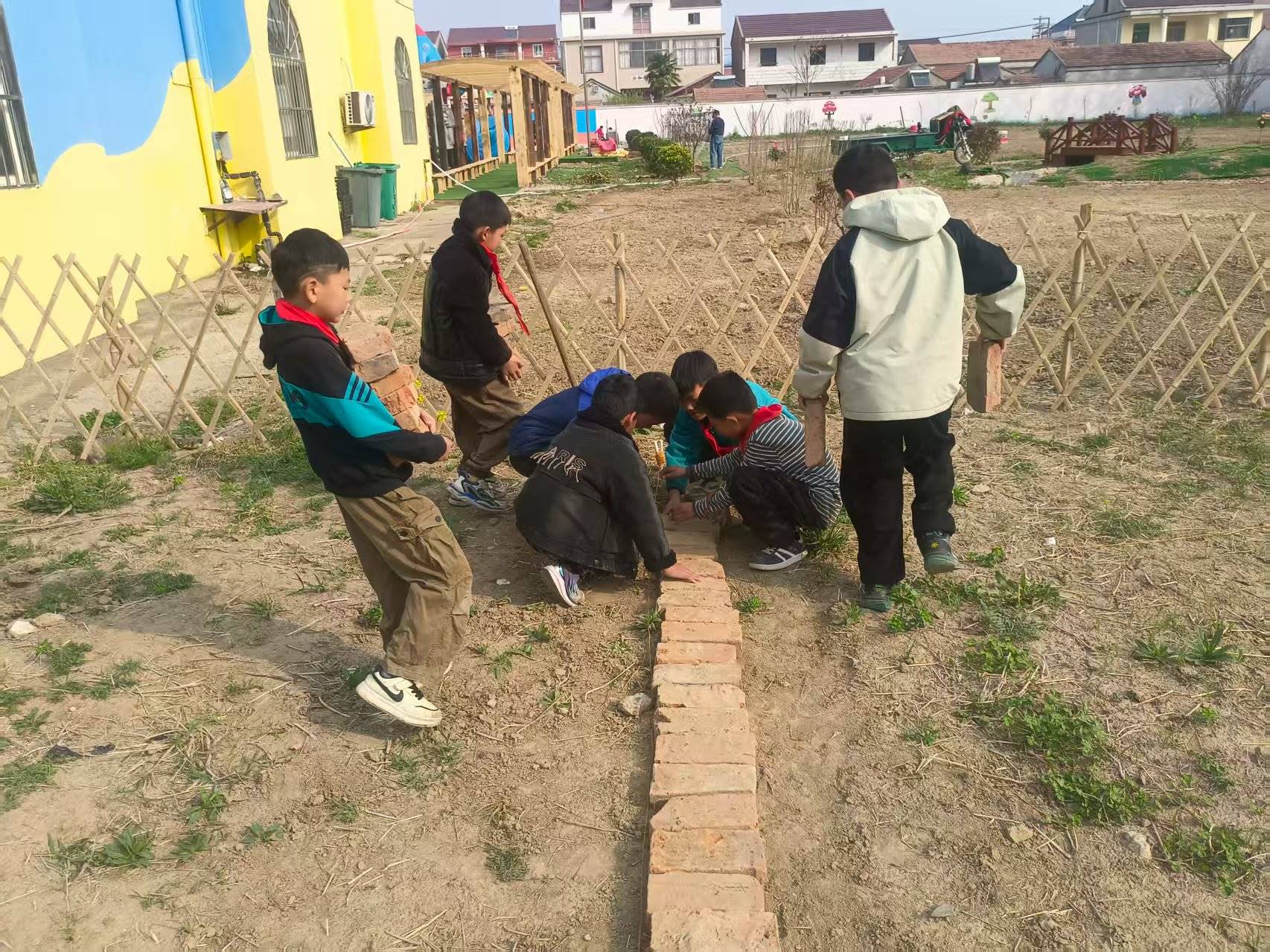
3. Residual bricks
from the demolished old wall were used to build the boundaries. Old car tires
were painted and used as raised planting troughs, and bamboo strips were woven
into simple fences, achieving landscape creation at zero cost.
利用拆除旧围墙的残砖垒砌边界,废旧汽车轮胎刷漆后作为抬升式种植槽,竹片编织成简易篱笆,实现零成本造景。
4. Stage 2 (Starting
from April 2023) - Planting and Daily Operation and Maintenance: Each class
takes on a "Vegetable Garden Day" once a week. The tasks include
loosening the soil, sowing seeds (mainly radishes, green vegetables, and
coriander), transplanting fruit tree seedlings (native tree species distributed
for free by the county government), weeding, and fertilizing (using fermented
kitchen waste from the school cafeteria).
第二阶段(2023年4月起)——种植与日常运维:每班每周承担一次“菜园日”,内容包括松土、播种(主要为白萝卜、青菜、香菜)、移栽果树苗(县政府免费发放的乡土树种)、拔草、施肥(食堂厨余发酵制成)。
5. An
"Ecological Observation Diary" is set up to record plant growth and
climate changes.
设立“生态观察日记本”,记录植物生长与气候变化。
6. Stage 3
(Continuous Operation) - Mechanism Solidification and Value Extension: A
"Green Points Card" system is established. Students with positive
performance can exchange their points for stationery or serve as "Little
Environmental Guardians".
第三阶段(持续运行)——机制固化与价值延伸:建立“绿色积分卡”制度,表现积极的学生可兑换文具或担任“环保小卫士”。
7. Part of the
harvested vegetables is sent to the school cafeteria, and part is organized for
charity sales to support students in need, forming a closed-loop system.
收获的蔬菜部分送入食堂,部分组织义卖资助困难同学,形成闭环。
8. The main
challenges faced include poor soil quality in the initial stage, drought and
water shortage, and frequent pest infestations. The solutions are as follows:
introducing earthworm compost to improve the soil; diverting roof rainwater
into water storage buckets for irrigation; and making homemade pepper-water
insect repellent.
面临挑战主要包括初期土壤贫瘠、干旱缺水、虫害频发,解决办法包括引入蚯蚓堆肥改良土壤、屋顶雨水导流至储水桶用于灌溉、自制辣椒水驱虫液。
9. During the
process, technical support was obtained from Guannan Ecological Environment
Bureau, and composting bins and water-saving sprayers were donated.
过程中得到灌南生态环境局技术支持,并获赠堆肥箱与节水喷壶。
10. The entire
project did not apply for special funds. All materials were recycled and
reused, and the labor force came from the voluntary work of teachers and
students, demonstrating a strong ability in resource conservation and
self-motivation.
整个项目未申请专项经费,所有材料均为回收再利用,人力来自师生志愿劳动,体现了极强的资源节约与自我驱动能力。
11. Comparison
Before and After Implementation: Before implementation, the site was an
overgrown abandoned corner with safety hazards and no ecological or educational
value; after implementation, it was transformed into an eco-garden integrating
labor practice, ecological education and environmental improvement, realizing
the reuse of idle space and waste materials.
实施前后对比:实施前,该区域是杂草丛生的废弃角落,存在安全隐患,无生态及教育价值;实施后,改造为集劳动实践、生态教育、环境改善于一体的生态菜园,实现闲置空间与废旧物资的再利用。
Project Impact & Sustainability
项目影响力、可推广性与可持续性
1. Although small
in scale, the project is highly replicable and particularly suitable for rural
schools with limited resources. Its model featuring zero-cost initiation,
whole-process education, and micro-circulation operation has been piloted and
promoted in three nearby village primary schools.
该项目虽规模小,但具备高度可复制性,特别适合资源受限的乡村学校,其“零成本启动、全过程育人、微循环运作”模式已在周边3所村小试点推广。
2. In 2024, it was
listed as a Labor Education Demonstration Project by the County Education
Bureau and is expected to be incorporated into the local school-based
curriculum system.
2024年被列入县教育局劳动教育示范项目,有望纳入地方校本课程体系。
3. The school plans
to gradually expand to roof greening and photovoltaic science popularization
corners in the next three years, continuing to advance the transformation to a
low-carbon campus.
学校计划未来三年逐步扩展至屋顶绿化与光伏科普角建设,持续推进低碳校园转型。
(Using AI translation)
(使用AI翻译)
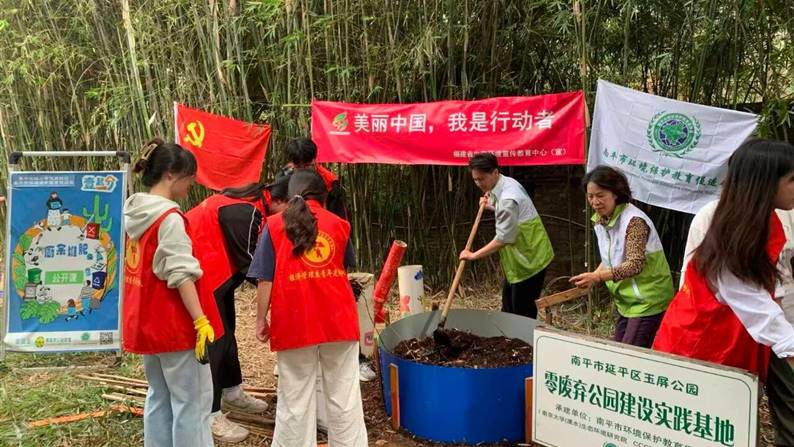
南平零废弃建设等案例,在联合国COP30大会上向全球发布!
12-04 · 来源:福建南平环境 · 作者:福建南平环境

上海市第六人民医院入选《2025美丽中国 · 绿色空间使用者典型案例集》
12-04 · 来源:徐汇生态环境 · 作者:徐汇生态环境
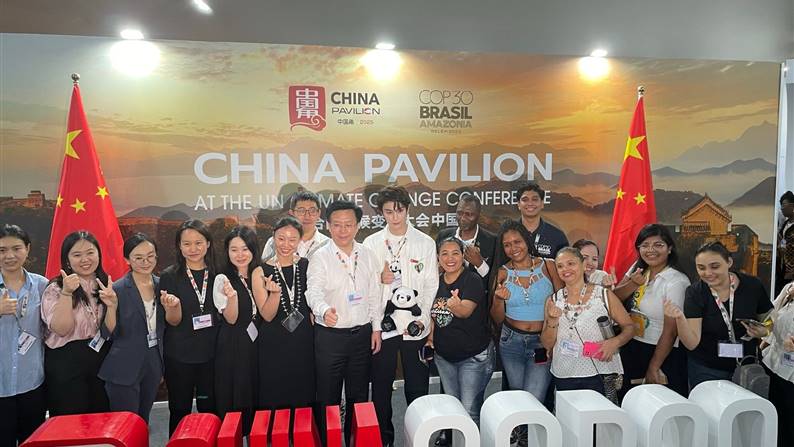
当青年演员/联合国新闻特派员走进COP30🌍
11-27 · 来源:DGUS · 作者:DGUS
