

Project Overview
案例概述
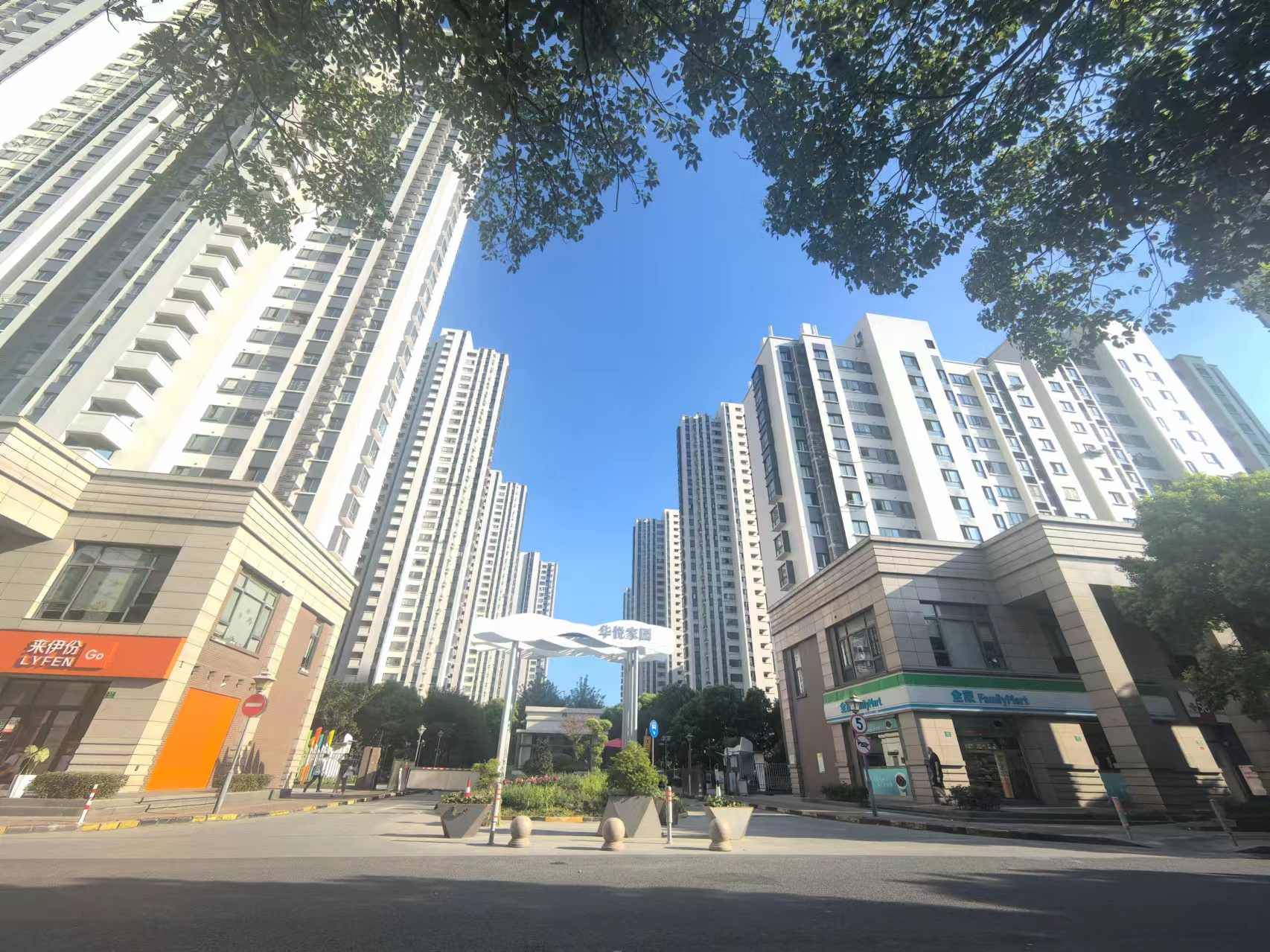
Huayue Community is located in Hongmei Subdistrict, Xuhui District, Shanghai. Established in 2012, which covers a total area of 84,000 square meters and comprises 15 buildings with 28 blocks, providing 3,000 housing units. There's almost 8000 residents live in this community. From 2022 to 2024, the community carried out to become a low-carbon community. Through renovation such as building energy efficiency retrofits, low-carbon transportation infrastructure, photovoltaic energy utilization, green space improvements and other resource integrations—as well as software enhancements including improved organizational leadership, increased low-carbon awareness campaigns, diversified participation, strengthened grassroots governance, volunteer team development, low-carbon scenario building, and low-carbon activities—the project successfully passed acceptance inspection in December 2024, earning the title of Shanghai Low-Carbon Demonstration Community. The community has installed 15 photovoltaic systems with a total capacity of 482.85 kWh per year, retrofitted 220,000 square meters of building facades, added 53 electric vehicle charging piles and 570 non-motorized vehicle charging points, upgraded five green spaces, and implemented a rainwater collection system. As a result, the community's total carbon emissions have decreased by 17.32% compared to three years ago, and per capita end-point household waste disposal volume has dropped by 33.8% since the beginning of the initiative.
华悦家园社区位于上海市徐汇区虹梅街道,始建于 2012 年,总占地面积 8.4 万平方米,共有 15 幢 28 栋 3000 套住房,现有居民约 8000 人。2022 年至 2024
年间,华悦家园社区开展低碳社区创建工作,通过建筑节能技改、低碳交通建设、光伏能源利用、绿化空间提升、资源整合等硬件改造,以及完善组织领导、加强低碳宣传、引导多元参与等软件提升,于 2024 年 12 月完成项目验收,成功创建上海市低碳示范社区。社区安装 15 处共 482.85kwh 光伏装机容量,改造 22 万平方米建筑物外立面,新增 53 组机动车充电桩及 570 个非机动车充电桩,改造 5 处绿化系统,设置雨水收集系统,社区碳总排放量较 3 年前下降 17.32%,人均生活垃圾末端清运处理量较建设初期下降 33.8%。
Company/Organization Profile
机构简介
Hongmei Subdistrict, located in Xuhui District, Shanghai, was established in 1990. It is situated in the southwestern part of Xuhui District and lies within the core area of the Caohejing Development Zone. The subdistrict stretches from the centerline of Guilin Road in the east to the centerline of Lianhua Road in the west, and from the centerline of Caobao Road in the south to the centerline of Puhuitang River in the north. It covers an area of 4.67 square kilometers, with a total building floor area of approximately 5.4 million square meters. Huayue Community is the largest relocation residential complex in Hongmei Subdistrict. It spans a total area of 84,000 square meters and consists of 15 buildings with 28 blocks, providing 3,002 housing units. The community has a permanent population of around 8,000 residents, among whom a significant proportion are non-local residents. With high population mobility and a complex demographic structure, it is characterized as a typical mobility-characterized community.
上海市徐汇区虹梅街道成立于 1990 年,地处徐汇区境西南部,位于漕河泾开发区园区核心区。辖区东起桂林路中心线,西至莲花路中心线,南达漕宝路中心线,北抵蒲汇塘中心线,占地面积 4.67 平方公里,建筑面积约 540 万平方米。华悦家园社区系虹梅街道辖区内最大的动迁安置小区,总占地面积 8.4 万平方米,共有 15 幢 28
栋 3002 户住房,常住人口约 8000 人,其中外来人口较多,人员流动性大且结构复杂,属于典型的 “人口流动型社区”。

Project Outcome
项目成果
1. Total carbon emissions decreased by 17.32%; 2. Per capita
carbon emissions dropped by 20%; 3. Per capita end-point household waste
disposal volume fell by 33.8%; 4. The resource utilization rate of household
waste increased by 88%; 5. Participation in science outreach activities
exceeded 4,000 people.
1. 碳总排放量下降 17.32%;2. 人均碳排放量下降 20%;3. 人均生活垃圾末端清运处理量下降 33.8%;4. 生活垃圾资源化利用率上升 88%;5. 科普活动参与人数超过
4000 人。
Project Highlights
项目亮点
The project utilizing rooftop resources in the community, 15 photovoltaic systems with a total capacity of 482.85 kW were installed, achieving an annual carbon reduction of 240 tons. A precast concrete insulated facade panel system was adopted to enhance building thermal insulation, resulting in an annual carbon reduction of 300 tons. An intelligent greening irrigation system was established, which utilizes collected rainwater for irrigation to reduce water waste. The community was awarded the title of "Shanghai Low-Carbon Demonstration Community" (2022).
项目利用小区现有屋顶资源,安装 15 处共计 482.85kw 光伏系统,年减排达 240 吨;采用预制混凝土反打保温外墙板系统,提升建筑保温隔热性,年降碳达 300 吨;建立绿化设施智能浇洒系统,通过收集雨水进行浇灌,减少水资源浪费;社区获评上海市低碳示范社区(2022 年度)。
Project Implementation
项目实施
The development of Huayue as a low-carbon community was jointly
led and advanced by the government and the community. A task force was
established with the deputy director of Hongmei subdistrict as its head,
responsible for overall planning and implementation. Members also included
community staff, property management representatives, owners' committee
members, community volunteers, and resident representatives. Each member
fulfilled their respective roles, ensuring the successful implementation and
effectiveness of the project. At the same time, the task force formulated
low-carbon community development regulations and assessment methods based on
project acceptance criteria. It conducted a detailed analysis of the types and
sources of carbon emissions within the community, established a carbon emission
inventory, energy statistics records, and archives for low-carbon community
development. By setting up special funds, multiple social organizations,
enterprises, and third-party entities were introduced to participate in the
community's low-carbon initiatives.
华悦家园低碳社区建设由政府和社区共同主导推进,以街道副主任为组长设立建设工作小组,负责整体统筹推进,组员包括社区工作人员、物业负责人、业委会成员、社区志愿者和居民代表,各司其职保障项目落地见效。工作小组根据项目验收指标制定低碳社区建设制度和考核办法,分析社区碳排放种类与来源,建立碳排放清单、能源统计台账和低碳建设档案,设立专项资金,引进多家社会组织、企业和第三方共同参与社区低碳建设。
During implementation, the project focused on both renovation and
soft governance. On the renovation side, a precast concrete insulated facade
panel system was adopted to renovate the exteriors of all 15 buildings,
totaling 220,000 square meters. This improved thermal insulation, reducing
annual electricity consumption by over 700,000 kWh. Photovoltaic power
generation systems were fully installed on the rooftops of all 15 buildings,
with a total capacity of 482.85 kW, generating approximately 500,000 kWh
annually and helping reduce carbon emissions by 210 tons per year.
Additionally, the project installed 53 shared electric vehicle charging piles
and more than 570 non-motorized vehicle charging points, replaced 20% of
streetlights with solar-powered lights, and implemented rainwater collection
systems and wind power installations to harness natural energy across multiple
dimensions.
项目实施过程中重点推进硬件改造与软件治理:硬件改造方面,采用预制混凝土反打保温外墙板系统,修缮 15 幢建筑共计 22 万平方米外立面,提高楼宇保温隔热性能,年减少电力消耗 70 余万千瓦时;15 幢楼楼顶全覆盖加装总装机容量 482.85 千瓦时的太阳能发电系统,年发电量约 50 万度,年降碳 210 吨;新建 53 个机动车共享充电桩及 570 余个非机动车充电桩,将 20% 路灯更换为太阳能路灯,设置雨水收集系统和风力发电装置,多维度利用自然能源。
On the soft governance side, the task force set up five
low-carbon promotional bulletin boards and one low-carbon activity center in
the community. Regularly conducted energy-saving and low-carbon awareness
campaigns, including over 20 annual activities such as low-carbon household
initiatives, promotions of energy-efficient appliances, second-hand exchange
and recycling events and low-carbon science outreach programs. Residents were
actively encouraged to use the "Shanghai Carbon Bank" carbon
inclusion app to record daily low-carbon behaviors, accumulate carbon points,
and redeem rewards. This incentivized public participation in low-carbon living
and helped integrate low-carbon concepts into daily habits, cumulatively
engaging over 4,000 participants. Furthermore, through the low-carbon community
initiative, the task force actively cultivated volunteer teams under the theme
"More Volunteer, Greater Happiness", recruiting volunteers and
organizing various activities to spread low-carbon living concepts and
encourage more residents to join environmental protection efforts.
软件治理方面,工作小组在社区内设置 5 处低碳宣传栏和 1 处低碳活动中心,定期开展节能低碳宣传,每年组织低碳家庭建设、节能电器推广、旧物交换回收、低碳科普等活动 20 余场;积极引导居民使用 “沪碳行”
碳普惠 APP,鼓励记录日常低碳行为、积累碳积分并兑换奖励,累计覆盖参与人数超 4000 人;以 “悦志愿、越开心” 为主旨,培育志愿者团队,通过招募志愿者、开展志愿活动传播低碳理念,呼吁更多居民加入环保志愿者行列。
During the installation of photovoltaic systems, some residents,
particularly those living on the top floor, initially opposed rooftop
installations due to concerns about noise, radiation, and structural impact.
The task force addressed these concerns by inviting district environmental
authorities and field experts to conduct professional outreach and education.
With sincere care, persuasive success stories, and objective test data, they
alleviated residents' worries and ensured that those with installations also
benefited. Ultimately, the project gained residents' acceptance and support.
安装光伏过程中,部分居民(尤其是高层居民)因担心设备噪音、辐射及影响楼房承重,起初不认可。工作小组邀请区环保部门及相关领域专家开展专业宣传科普,用生动的成功案例和客观的检测数据打消居民顾虑,同时让安装光伏的居民获得利益,最终获得居民认可。
Project Impact & Sustainability
项目影响力、可推广性与可持续性
The success of the low-carbon community development in Huayue provides a vivid case study of integrating low-carbon technology with community governance. In the early stages of the project, thorough research on the community's existing conditions was conducted, funding channels were diversified, and active collaboration with third-party organizations was pursued. The development plan was strategically designed in advance, supported by comprehensive technical feasibility studies. Throughout the project, low-carbon management and promotion of low-carbon initiatives were consistently emphasized, with enhancing residents' awareness of green and low-carbon practices serving as the core objective and ultimate goal. This approach further strengthened public support for the low-carbon community. Moving forward, the community will focus on exploring a sustainable operational model for the low-carbon community through interdepartmental coordination, public participation, and collaborative societal engagement. Additionally, mechanisms for incentivizing individual participation will be refined to encourage more residents to adopt green and low-carbon lifestyles. The establishment of energy end-use metering infrastructure for households and public areas will be explored, forming a real-time energy and carbon monitoring network covering the entire community. This will provide a data-driven foundation for energy conservation and carbon reduction.
华悦家园低碳社区建设的成功,为低碳技术与小区治理相结合提供了生动案例。建设前期,充分调研小区现状、拓宽建设资金渠道、积极与第三方合作,提前布局建设内容并做好技术论证。项目建设始终贯穿低碳管理和低碳宣传,将提升居民绿色低碳理念作为出发点和落脚点,进一步夯实了低碳社区的群众基础。下一步,社区将通过部门协同、公众参与和社会共建,探索低碳社区常态化运营模式;完善公众个人激励机制,鼓励更多居民形成绿色低碳生活方式;探索建立家庭和公共区域能源终端计量基础设施,形成覆盖社区的实时能碳监测网络,为节能降碳提供数据依据。
(Using AI translation)
(使用AI翻译)
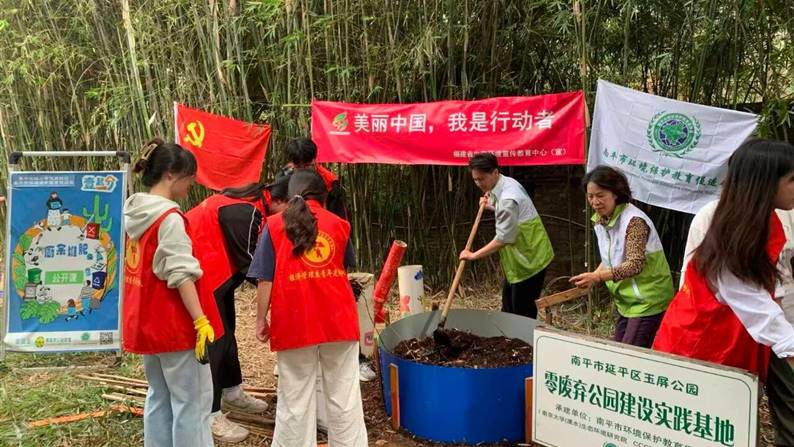
南平零废弃建设等案例,在联合国COP30大会上向全球发布!
12-04 · 来源:福建南平环境 · 作者:福建南平环境

上海市第六人民医院入选《2025美丽中国 · 绿色空间使用者典型案例集》
12-04 · 来源:徐汇生态环境 · 作者:徐汇生态环境
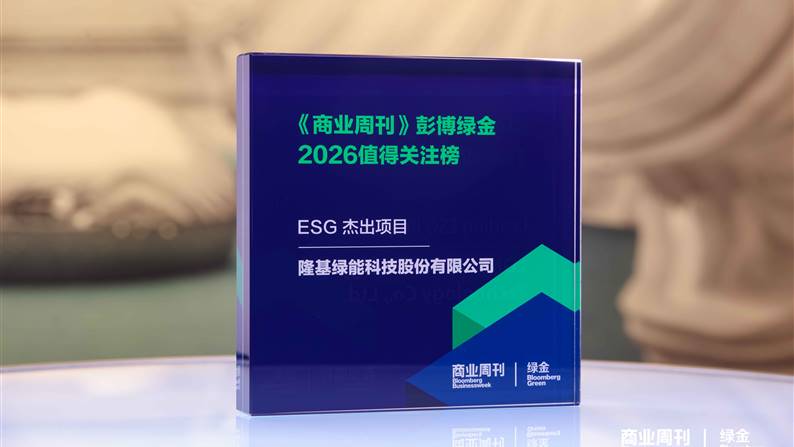
隆基入选彭博绿金2026值得关注榜“ESG杰出项目
12-04 · 来源:隆基绿能 · 作者:隆基绿能
