

Project Overview
案例概述
In 2024, in Yunhua Village, Dayi County, Chengdu City, Sichuan
Province, located within the Giant Panda National Park, a "Waste
Sustainable Management Plan for the Dayi Xiling Area of the Giant Panda
National Park" was launched. The initiative was spearheaded by the village
committee in collaboration with the environmental organization Roots &
Shoots Chengdu.
2023年12月,成都根与芽环境文化交流中心、云华村村民委员会在多家单位支持与指导下,在大熊猫国家公园成都片区入口社区大邑县西岭镇云华村启动“垃圾可持续管理计划”。
Aimed at addressing waste challenges exacerbated by surging
tourist numbers during holidays, the project seeks to establish a sustainable
waste management system and create a "Zero-Waste Community."
项目旨在应对入口社区居民生活及旅游业经营带来的垃圾激增挑战,通过建立垃圾可持续管理体系,减少垃圾对当地生态系统的影响。
Key measures included forming a multi-stakeholder task force;
conducting extensive awareness campaigns such as 9 times garbage classification
education sessions, 3 times waste-for-exchange events, and 2 eco-experience
activities; upgrading one standard waste sorting station; building a composting
garden to convert approximately 75 kg of kitchen waste weekly from 20
households into fertilizer for landscaping; and setting up a recycling exchange
center for tourists.
实施内容包括:成立多方协作的工作小组;开展9次垃圾分类教育、低值可回收物月度兑换活动、2次零废弃生态体验活动等进行宣传动员;升级改造1个标准化垃圾分类投放点;建设1个堆肥花园,实现集中居住小区居民及周边农家乐产生的厨余垃圾分类投放、收集、就地资源化;设立游客环保兑换中心,鼓励游客参与回收。
The project significantly enhanced environmental awareness among
residents and visitors, achieved waste reduction at source and resource
recycling, improved the community environment, and provided a practical model
for building a green village.
项目成果显著提升了居民与游客的环保意识,实现了垃圾源头减量与资源化循环,不仅有效改善社区环境,还实现减碳、固碳的生态效益,为绿色乡村建设提供了实践样板
Company/Organization Profile
机构简介
Chengdu Roots & Shoots Environmental Culture Exchange Center
(Chengdu Roots & Shoots) is a non-profit public welfare organization
dedicated to environmental protection.
成都根与芽环境文化交流中心(成都根与芽)是一家致力于环境保护公益事业的非营利机构。
Through community action and public education, it aims to
achieve sustainable management of domestic waste, actively promote the
improvement and advancement of relevant environmental policies and foster
ecological civilization.
通过社区行动和公众教育,为实现生活垃圾的可持续管理,积极推动相关环境政策完善与执行,促进生态文明建设。
Project Outcome
项目成果
1. Waste Reduction and Resource Recovery: Systematic sorting,
collection, and on-site processing of kitchen waste from residential compounds
and local agritainments have been implemented. Weekly processing amounts reach
approximately 150 kg during the off-season and 400 kg during the peak tourist
period. Over 10 months of stable operation, a total of around 8,000 kg of
kitchen waste has been converted into nutrient-rich humus soil.
废弃物减少与资源化:实现集中居住小区居民及周边农家乐产生的厨余垃圾分类投放、收集、就地资源化,旅游淡季每周约150斤厨余垃圾,旺季每周约400斤厨余垃圾。目前已稳定运行10个月,总共实现约8000公斤厨余垃圾转换为腐殖质营养土。
2. Environmental Benefits and Emission Reductions: CO₂e reduction - Using IPCC and other methodologies, aerobic
composting of 1 ton of kitchen waste reduces greenhouse gas emissions by about
0.5–0.8 tons of CO₂e compared to landfilling—primarily by avoiding methane generation.
Processing 1.95 tons of kitchen waste has thus mitigated an estimated 1.0–1.6
tons of CO₂e. The resulting compost returned to the soil enhances both
fertility and carbon sequestration. Pollutant reduction - Effective waste
classification and cleanup have significantly decreased risks of soil
contamination, water pollution (via reduced leachate), and visual pollution
(e.g., plastic waste), helping protect the sensitive ecosystem adjacent to the
Giant Panda National Park.
环境效益与减排量:基于IPCC等方法学,好氧堆肥处理1吨厨余垃圾相比垃圾填埋可减少约0.5-0.8吨二氧化碳当量(CO₂e)的温室气体排放(主要避免填埋场产生的甲烷),据此估算处理1.95吨厨余垃圾可实现减排约1.0-1.6吨CO₂e;腐殖质回归土地,为土壤提供养料并增加碳储存能力。垃圾的有效分类和清理,显著减少了土壤污染、水体污染(减少渗滤液风险)和视觉污染(白色污染),保护了毗邻大熊猫国家公园的敏感生态环境。
3. Outreach and Public Engagement: Activity reach - The project
has organized 9 educational events, 10 waste-for-rewards activities, 1
eco-fair, and 2 ecological experiences (22 activities in total). With average
attendance of 50 people per event (including villagers and tourists), direct
participant engagement reached over 750 people. Improved waste disposal
facilities and panda-themed branding also indirectly raised awareness among an
estimated 60,000 tourists during the two-month peak season, with daily visits
averaging 1,000 people.
科普与公众参与:项目开展了9次教育普及、10次兑换活动、1次游园会和2次生态体验(共22场主要活动),每场活动平均覆盖50人(含村民和游客),直接参与及受教育人数预计超过750人次。投放点改造和熊猫IP形象间接影响所有过往游客,云华村旺季日均接待约1000人,旺季时间为2个月,间接影响60000人次。
4. Energy Savings: On-site composting eliminated long-distance
transportation and end-processing of waste, saving an estimated 150–200 kWh of
electricity equivalent per 1.95 tons of kitchen waste processed.
节能量:垃圾就地资源化(堆肥)避免了垃圾长距离运输和末端处理的能耗,处理1.95吨厨余垃圾,预计节约因运输和处理而产生的能耗约150-200 kWh(等效电耗)。
Project Highlights
项目亮点
The project has significantly enhanced the community's waste
governance capacity by establishing a closed-loop system of "sorting -
recycling - composting - reusing," achieving remarkable source reduction,
resource recovery, and harmless treatment.
该项目通过构建“分类-回收-堆肥-回用”的闭环体系,显著提升了社区垃圾治理水平,实现了垃圾源头减量、资源化回收和无害化处理。
It has directly reduced greenhouse gas emissions and pollution
risks, improved local ecological quality, garnered positive feedback from
residents, and provided valuable community participation models and experiences
for raising tourists' awareness of ecological civilization.
直接减少了温室气体排放和污染物风险,改善了局部生态环境质量,收获了社区居民的好评,并为提升游客的生态文明意识提供了宝贵的社区参与模式和经验。
Project Implementation
项目实施
1. Organizational Structuring: Establish a multi-stakeholder
task force with collaboration from the village committee, Chengdu Roots &
Shoots, residents, and relevant supporting units to clarify division of
responsibilities and coordination mechanisms.
组织搭建:成立由村委会、成都根与芽、村民及相关支持单位组成的多方协作工作小组,明确职责分工与协调机制。
2. Research & Awareness: Conduct in-depth research on waste
generation characteristics of residents and agritainments; carry out 9 garbage
classification education sessions, 10 waste-for-exchange activities, 1
eco-fair, and 2 ecological experience activities to raise environmental
awareness among residents and tourists.
调研宣传:深入调研居民及农家乐垃圾产生特点;开展9次垃圾分类教育、10次兑换活动、1次游园会和2次生态体验活动,提升居民与游客的环保意识。
3. Facility Upgrading: Upgrade and renovate 1 standard garbage
classification and disposal point; build 1 composting garden to realize on-site
resource utilization of kitchen waste; set up a tourist environmental
protection exchange center to encourage tourist participation in recycling.
设施改造:升级改造1个标准化垃圾分类投放点;建设1个堆肥花园,实现厨余垃圾就地资源化;设立游客环保兑换中心,鼓励游客参与回收。
4. Practice & Guidance: Provide on-site guidance for
residents and agritainment operators on garbage classification and composting
operation to ensure standardized implementation of each link.
练习与指导:对居民及农家乐经营者进行垃圾分类、堆肥操作的现场指导,确保各环节规范落地。
5. Closed-Loop Establishment: Form a complete closed-loop system
of "classification - collection - composting - reuse," where the
compost produced is used for residents' planting and community greening,
realizing resource circulation.
闭环建立:形成“分类-收集-堆肥-回用”的完整闭环体系,堆肥产物用于居民种植和小区绿化,实现资源循环。
6. Before-and-After Comparison: Before implementation, the
village faced problems such as excessive waste, serious environmental
pollution, and low environmental awareness of residents and tourists. After
implementation, the amount of kitchen waste requiring end disposal was
significantly reduced, the community environment was effectively improved, the
ecological security of the Giant Panda National Park was safeguarded, and the
environmental awareness of residents and tourists was significantly enhanced.
During the promotion process, the main challenge was the low initial
participation enthusiasm of some residents. With the support of the village
committee and continuous guidance and incentive measures, the participation
rate was gradually improved.
实施前后对比:实施前,村庄存在垃圾堆积过多、环境污染严重、居民与游客环保意识薄弱等问题;实施后,需末端处理的厨余垃圾量大幅减少,社区环境得到有效改善,大熊猫国家公园生态安全得到保障,居民与游客环保意识显著提升。推广过程中,主要挑战是部分居民初期参与积极性不高,在村委会支持及持续的指导、激励措施下,参与率逐步提升。
Project Impact & Sustainability
项目影响力、可推广性与可持续性
Impact: The project has significantly reduced the amount of
waste requiring end disposal, lowered carbon emissions, and contributed to the
ecological conservation of the Giant Panda National Park. It has strengthened
community cohesion, raised environmental awareness among tourists, and
established a model for community governance. It serves as a replicable example
for communities at the entrances of national parks and other tourism-oriented
villages.
影响力:项目显著减少末端垃圾处理量,降低碳排放,守护大熊猫国家公园生态;增强了社区凝聚力与游客环保意识,打造了社区治理样板;为国家公园入口社区和旅游乡村提供了可复制的示范范式。
Scalability: The "organization + awareness-raising +
facilities + practical guidance + closed-loop" model is highly adaptable.
Aerobic composting technology is simple, low-cost, and well-suited for rural
areas. By focusing on resource integration rather than large financial
investments, the project has a low barrier to replication.
可推广性:其“组织+宣传+设施+练习指导+闭环”模式普适性强,好氧堆肥技术简单、成本低,非常适合农村。项目注重资源整合而非依赖高投入,推广门槛低。
Sustainability: A collaborative mechanism involving the
"village committee + organizations + residents + tourists" ensures
long-term operation. Tangible benefits, such as using compost to beautify homes
and receiving rewards for recycling, create inherent motivation. Integrating
the "zero-waste" concept into local culture through panda-themed
branding has turned it into a popular trend.
持续性:依靠“村委会-组织-村民-游客”四方联动机制保障长效运行,堆肥美化家园、兑换获得回报等“看得见”的利益形成了内生动力,并通过熊猫IP将“无废”理念融入当地文化,成为新时尚。
Driving Effect & Future Plans: The project extends the
"zero-waste" concept from urban to rural areas. Future plans may
include expanding the composting program, exploring more local recycling
channels for materials like plastics and glass, and developing eco-friendly
experiences into distinctive ecotourism offerings, achieving both environmental
and economic benefits.
推动作用与计划:推动了“无废”理念从城市向乡村延伸。后续有望扩大堆肥覆盖范围、探索更多可回收物本地利用渠道,并将环保体验发展为特色生态旅游产品,实现环境与经济双赢。
(Using AI translation)
(使用AI翻译)
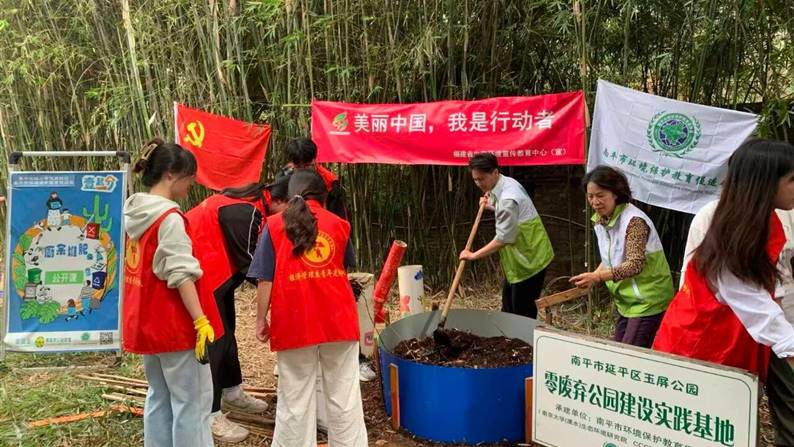
南平零废弃建设等案例,在联合国COP30大会上向全球发布!
12-04 · 来源:福建南平环境 · 作者:福建南平环境

上海市第六人民医院入选《2025美丽中国 · 绿色空间使用者典型案例集》
12-04 · 来源:徐汇生态环境 · 作者:徐汇生态环境
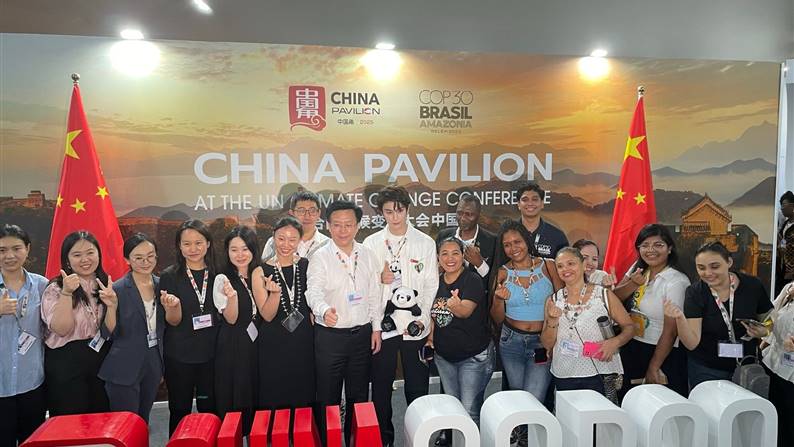
当青年演员/联合国新闻特派员走进COP30🌍
11-27 · 来源:DGUS · 作者:DGUS
