

Project Overview
案例概述
Against the
backdrop of Zhoushan's advancement in building a "waste-free city,"
on September 29, 2024, with the support of the Putuo Branch of Zhoushan
Ecological Environment Bureau and the Institute for Global Environmental
Strategies in Chaoyang District, Beijing, the Zhoushan Blue Ocean Public
Welfare Service Development Center, in collaboration with Xiaogan Island
Community of Putuo District, Zhoushan, transformed the abandoned containers at
Xiaogan Island Night Market into the Xiaogan Marine Plastic Reduction Education
Cabin.
舟山市推进“无废城市”建设背景下,2024年9月29日,在舟山市生态环境局普陀分局和北京市朝阳区永续全球环境研究所支持下,舟山市蓝海公益服务发展中心联合舟山市普陀区小干岛社区,将小干岛夜市废弃集装箱改造成小干海洋减塑教育舱。
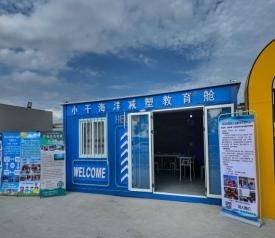
Guided by the
concept of "co-construction, co-governance, and shared benefits," the
education cabin creates a trinity space integrating "science
popularization education, point redemption, and environmental protection
exchanges." The Putuo Branch of Zhoushan Ecological Environment Bureau
plays a leading role by providing policy guidance. The Blue Ocean Public
Welfare, as a social organization, coordinates overall operations and links
resources. The Blue Ocean Public Welfare University Student Community Studio of
Zhejiang Ocean University provides volunteer services, while the community
ensures venue facilities, water and electricity supply, and mobilizes residents
to participate.
教育舱以“共建、共治、共享”为理念,打造“科普教育+积分兑换+环保交流”三位一体空间。舟山市生态环境局普陀分局发挥引领作用,提供政策指导,社会组织蓝海公益统筹运营、链接资源,高校社团(浙江海洋大学蓝海公益大学生社区工作室)提供志愿服务,社区保障场地水电并动员居民参与。
In the science
popularization exhibition space, graphic displays, videos, and volunteer-led
explanations are combined to popularize knowledge about marine plastic
pollution. In the point redemption space, a point system has been established,
with a total of 315 kg of plastic waste recycled so far. The Marine Plastic
Reduction Research Camp space has organized 24 activities, including beach
clean-ups, mini-classes, and handicraft making, attracting over 500
participants. 30% of the recycled plastic has been transformed into
handicrafts. This project has effectively enhanced residents' environmental
awareness, reduced marine plastic pollution, improved community livelihoods,
and fostered a positive environmental atmosphere, contributing significantly to
the construction of a "waste-free city."
科普展示空间内,图文展板、视频结合志愿者讲解,普及海洋塑料污染知识;回收兑换空间制定积分规则,累计回收塑料废弃物315kg;海洋减塑研学营空间开展净滩、小课堂、手工制作等24场活动,吸引500余人次参与,30%回收塑料制成工艺品。项目有效提升居民环保意识,减少海洋塑料污染,改善社区民生,营造良好环保氛围,为“无废城市”建设贡献力量。
Company/Organization Profile
机构简介
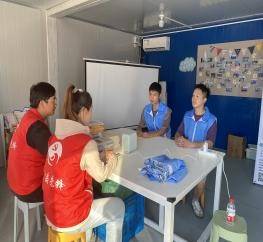
Zhoushan Blue Ocean
Public Welfare Service Development Center is a private non-enterprise unit
registered with the Zhoushan Civil Affairs Bureau. Relying on the strength of
Zhejiang Ocean University and young volunteers, the Center coordinates with
multiple social forces such as university associations, communities, and social
organizations, and is committed to promoting the construction of
"co-constructed, shared, and co-governed" island communities. It
mainly carries out activities such as community building, community education,
public participation, and scientific research in the public welfare cause of
marine environment.
舟山市蓝海公益服务发展中心是由舟山市民政局注册的民办非企业单位。中心依托浙江海洋大学及青年志愿者力量,联动高校社团、社区、社会组织等多方社会力量,致力于推进建设“共建、共享、共治”的海岛社区,主要开展服务于海洋环境公益事业的社区营造、社区教育、公众参与、科学研究等活动。
Project Outcome
项目成果
1. A total of 315kg
of plastic waste was recycled, effectively reducing marine plastic pollution.
累计回收塑料废弃物315kg,有效减少了海洋塑料污染。
2. 24 science
popularization and mobilization activities were carried out, with over 500
participants, enhancing public awareness of marine environmental protection.
开展各类科普和动员参与活动24场,参与人数达500余人次,提升了公众海洋环保意识。
3. 30% of the
recycled plastic was transformed into handicrafts in workshops, realizing the
resource utilization of waste.
30%回收塑料经手工坊改造为工艺品,实现废弃物资源化利用。
4. It promoted the
formation of a good environmental protection atmosphere in the community and
improved the community living environment.
带动社区形成良好的环保氛围,改善了社区生活环境。
Project Highlights
项目亮点
By creatively
repurposing existing shipping containers, a community marine plastic reduction
education cabin was built, introducing an innovative "Government-Social
Collaboration · Multidimensional Empowerment" ecological coordination
model. This project was awarded the Special Contribution Award in Zhoushan's
"Waste-Free Island" volunteer activities. Both project members and
participants have given it high praise, noting that it has effectively promoted
marine plastic reduction and community environmental protection efforts.
利用原有集装箱,创新打造社区海洋减塑教育舱,创新“政社联动·多维赋能”生态协同模式。获舟山市“无废海岛”志愿活动特别贡献奖,项目人员和用户评价良好,认为其有效推动了海洋减塑和社区环保。
Project Implementation
项目实施
1. With the core
concept of "activating the low-carbon potential of existing spaces,"
the Putuo Branch of Zhoushan Ecological Environment Bureau takes the lead in
the project. Under the professional technical support of the Institute for
Global Environmental Strategies in Chaoyang District, Beijing, the Zhoushan
Blue Ocean Public Welfare Service Development Center collaborates with the
student associations of Zhejiang Ocean University and Xiaogan Community to
establish a collaborative implementation framework of "Government-Social
Collaboration · Multidimensional Empowerment."
项目以“激活既有空间低碳潜力”为核心,由舟山市生态环境局普陀分局主导,在北京市朝阳区永续全球环境研究所专业技术支持下,舟山蓝海公益服务发展中心联动浙江海洋大学高校社团与小干社区,构建“政社联动・多维赋能”的协同实施框架。
2. Preparatory
Phase (March - September 2024): Supported by the Putuo Branch of Zhoushan
Ecological Environment Bureau, the team first conducted a two-month on-site
survey in Xiaogan Community. Through in-depth visits, they comprehensively
grasped the current situation of marine plastic pollution in the area and the
environmental protection needs of residents. Based on the survey results, the
Xiaogan Community Marine Plastic Reduction Action Plan was formulated, clearly
defining the functional zones of the education cabin, the activity system, and
the operation mechanism. Volunteer recruitment and training were launched
simultaneously. The training covered topics such as the hazards of marine
plastics, recycling and classification standards, and activity organization
skills, cultivating a total of 50 volunteers. During this period, the team
actively communicated with Shenjiamen Sub-district and the Xiaogan Community
Neighborhood Committee, obtaining permission for venue use and support for
basic utilities such as water and electricity. They also coordinated with
multiple enterprises and public welfare organizations to donate construction
materials for the education cabin, finally completing the main construction and
equipment configuration of the cabin. At the same time, in cooperation with the
Blue Ocean Public Welfare University Student Community Studio of Zhejiang Ocean
University, the Atlas of Typical Marine Debris in Zhoushan Sea Area was
compiled over three months, providing professional support for subsequent
educational activities.
筹备阶段(2024.3-2024.9):团队在舟山市生态环境局普陀分局支持下,对小干社区开展为期2个月的实地调研,全面掌握区域海洋塑料污染现状与居民环保需求,制定《小干社区海洋减塑行动方案》,明确教育舱功能分区、活动体系及运营机制;同步启动志愿者招募与培训,培育50名志愿者;对接相关单位获得场地使用许可及水电保障,联动企业及公益组织捐赠建设物资,完成教育舱主体搭建与设备配置;联合高校编制《舟山海域典型海洋垃圾图册》,为后续教育活动提供专业支撑。
3. Implementation
Phase (Since September 2024): Normalized Recycling System - An incentive
mechanism of "2 plastic bottles = 1 point" was adopted. Residents can
exchange points for items such as eco-bags (2 points), books (5 points), or
experience vouchers for parent-child handicraft workshops (15 points).
实施阶段(2024年9月至今)- 常态化回收体系:采用“2个塑料瓶=1积分”的激励机制,居民可凭积分兑换环保袋(2积分)、书籍(5积分)或亲子手工坊体验券(15积分)等物品。
4. Science Popularization
and Exhibition: The Xiaogan Marine Plastic Reduction Education Cabin is
equipped with a plastic reduction science wall and regularly holds activities
such as environmental protection film screenings, all of which are open to
community residents free of charge. Through visits and screenings, residents
are inspired to think about environmental protection, which increases
interaction among them and stimulates their enthusiasm for sharing plastic
reduction techniques.
科普展示:小干海洋减塑舱内设有减塑科普墙,及环保电影展播等日常活动,面向社区居民免费开放,通过参观和观影引发居民对环保的思考,增加居民互动,激发减塑技巧分享热情。
5. Tiered
Educational Activities: "Marine Plastic Reduction Mini-classes" are
regularly held every month, reaching a cumulative total of 236 children. A
"Beach Clean-up Practice" activity is organized once a month.
Volunteers lead residents to clean up garbage along a 1.2-kilometer coastline
and simultaneously explain knowledge about marine garbage classification,
enhancing the practical experience.
阶梯式教育活动:每月定期开展“海洋减塑小课堂”,累计覆盖236名儿童;每月组织1次“净滩实践”活动,由志愿者带领居民沿1.2公里海岸线清理垃圾,同步讲解海洋垃圾分类知识,增强实践体验。
6. Waste Conversion
Project: Two parent-child handicraft workshops are held monthly. Professional
teachers are invited to guide participants in transforming recycled plastics
into marine-themed cultural and creative products. Meanwhile, in cooperation
with enterprises, part of the recycled plastics is processed into practical
marine plastic products for sale, and the proceeds are used for the daily
operation of the education cabin and the procurement of activity materials.
废弃物转化项目:每月开展2场亲子手工坊,邀请专业老师指导参与者将回收塑料制作成海洋主题文创品;与企业合作,将部分回收塑料加工为实用型海塑产品进行售卖,所得收益用于教育舱日常运营及活动物资采购。
7. Comparison
Before and After Implementation: Before the project was launched, the random
disposal of plastic waste was common in the area, residents had limited
awareness of marine plastic reduction, and their willingness to actively
participate in environmental protection was low. After the implementation of
the project, through the regular operation of the education cabin and
diversified activities, the efficiency of plastic waste recycling in the area
has significantly improved. Surrounding merchants have voluntarily reduced the
use of disposable plastic bags, and the enthusiasm of community residents to
participate in marine plastic reduction actions has increased substantially,
creating a good environmental protection atmosphere of "everyone
participates, every family takes action."
实施前后对比:项目启动前,该区域塑料垃圾随意丢弃现象普遍,居民对海洋减塑认知低、参与意愿弱;实施后,塑料垃圾回收效率显著提高,周边商户主动减少一次性塑料袋使用,居民参与积极性大幅提升,形成“人人参与、家家行动”的良好环保氛围。
8. During the
implementation process, the project faced challenges such as low initial
participation from residents and insufficient temporary storage space for
recycled materials, which were resolved by optimizing point-exchange gifts and
coordinating idle spaces.
实施过程中,项目曾面临居民初期参与热情不高、回收物资暂存空间不足等挑战,通过优化积分兑换礼品、协调闲置空间解决问题。
Project Impact & Sustainability
项目影响力、可推广性与可持续性
The project has
innovatively established the "Government-Social Collaboration ·
Multidimensional Empowerment" mechanism, breaking the limitations of
environmental protection projects driven by a single entity. Through the deep
collaboration among the government, communities, social organizations, and
university associations, and by integrating resources from enterprises and
various sectors of society, it has provided a replicable model for public
participation in marine environmental protection. This mechanism has
effectively promoted the transformation of environmental protection efforts
from "passive publicity" to "active participation." The
experience gained from this model in spatial utilization, activity design, and
resource integration can be directly applied to other coastal communities,
especially offering strong reference significance for marine environmental
protection work in island communities.
项目创新构建的“政社联动·多维赋能”机制,打破了单一主体推动环保项目的局限,通过政府、社区、社会组织、高校社团的深度协同,叠加企业、社会等多方资源,为海洋环保领域提供了可复制的公众参与范本,有效推动了从“被动宣传”到“主动参与”的环保行为转变。该模式在空间利用、活动设计、资源整合等方面的经验,可直接适配其他沿海社区,尤其对海岛型社区的海洋环保工作具有较强借鉴意义。
The project has
four follow-up plans for further development: Firstly, deepen the cooperation
with the Putuo Branch of Zhoushan Ecological Environment Bureau. With the
professional guidance of the branch, strive to obtain more special policy
support for the construction of a "waste-free city", and secure
financial subsidies and land use preferences for project expansion. Secondly,
expand the scope of activities by establishing new educational sites in
surrounding communities to form a regional linkage network. Thirdly, broaden
collaborative resources by building partnerships with other public welfare
organizations and sharing activity plans and teaching materials. Fourthly, enhance
the sustainable operation capacity by cultivating local volunteer teams within
the community, and simultaneously expanding online sales channels for cultural
and creative products to improve the self-sustaining ability of the project.
后续计划从四个维度深化项目:一是进一步深化与舟山市生态环境局普陀分局的合作,争取更多“无废城市”建设专项政策支持,获取资金补贴与用地优惠;二是扩大活动覆盖范围,新增周边社区教育点,形成区域联动网络;三是拓展合作资源,与其他公益组织建立伙伴关系,共享活动方案与教材;四是强化可持续运营能力,培育社区本土志愿者团队,拓展文创产品线上销售渠道,提升自我造血功能。
(Using AI translation)
(使用AI翻译)
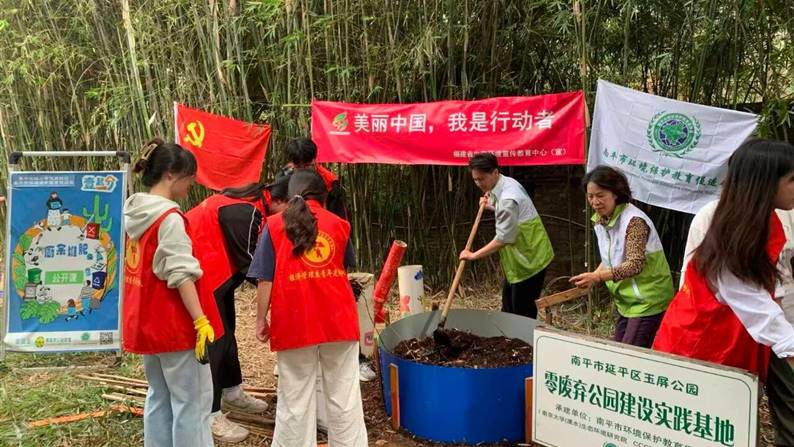
南平零废弃建设等案例,在联合国COP30大会上向全球发布!
12-04 · 来源:福建南平环境 · 作者:福建南平环境

上海市第六人民医院入选《2025美丽中国 · 绿色空间使用者典型案例集》
12-04 · 来源:徐汇生态环境 · 作者:徐汇生态环境
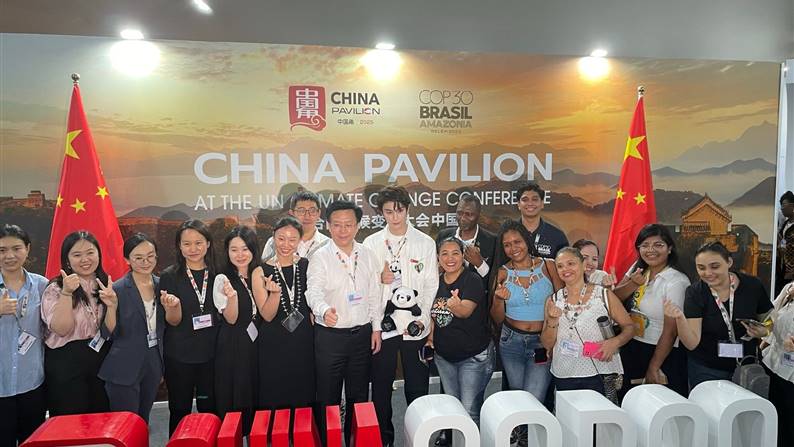
当青年演员/联合国新闻特派员走进COP30🌍
11-27 · 来源:DGUS · 作者:DGUS
