

Project Overview
案例概述
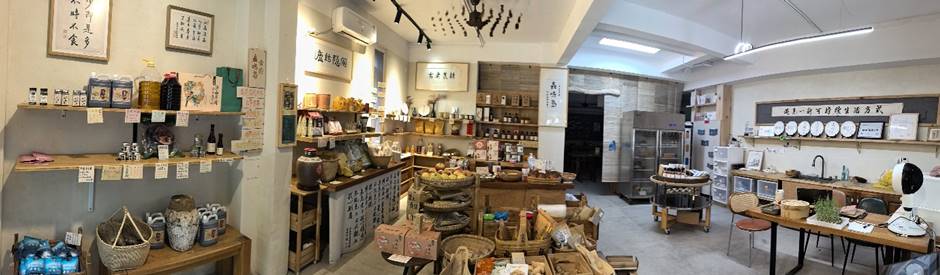
In April 2022, Chongming Earth opened a 125-square-meter green
space in a Hangzhou neighborhood, dedicated to the daily sale of eco-friendly
foods. The space aims to help people “encounter a sustainable lifestyle” right
in their community, inspiring collective action toward biodiversity
conservation and climate change response. The idea is for every individual and
every household to become a part of “Chongming Earth.”
2022年4月,虫鸣岛在杭州一处社区街头开设125平方米的绿色空间,以日常生态良食销售为主,希望让更多人在街头“遇见一种可持续的生活方式”,通过实际行动共同关注生物多样性保护与气候变化协同应对,让每一个人、每一个家庭都能成为“虫鸣岛”。
Over the past three years, Chongming Earth has helped market
products from over 100 ecological farms and more than 300 types of daily
eco-goods, achieving sales exceeding RMB 2 million. The green space has
welcomed over 3,000 visitors and hosted more than 150 events, including nature
education sessions, environmental science workshops, meet-ups between
eco-farmers and consumers, traditional culture studies, second-hand exchanges,
and zero-waste initiatives. It also regularly participates in Hangzhou’s
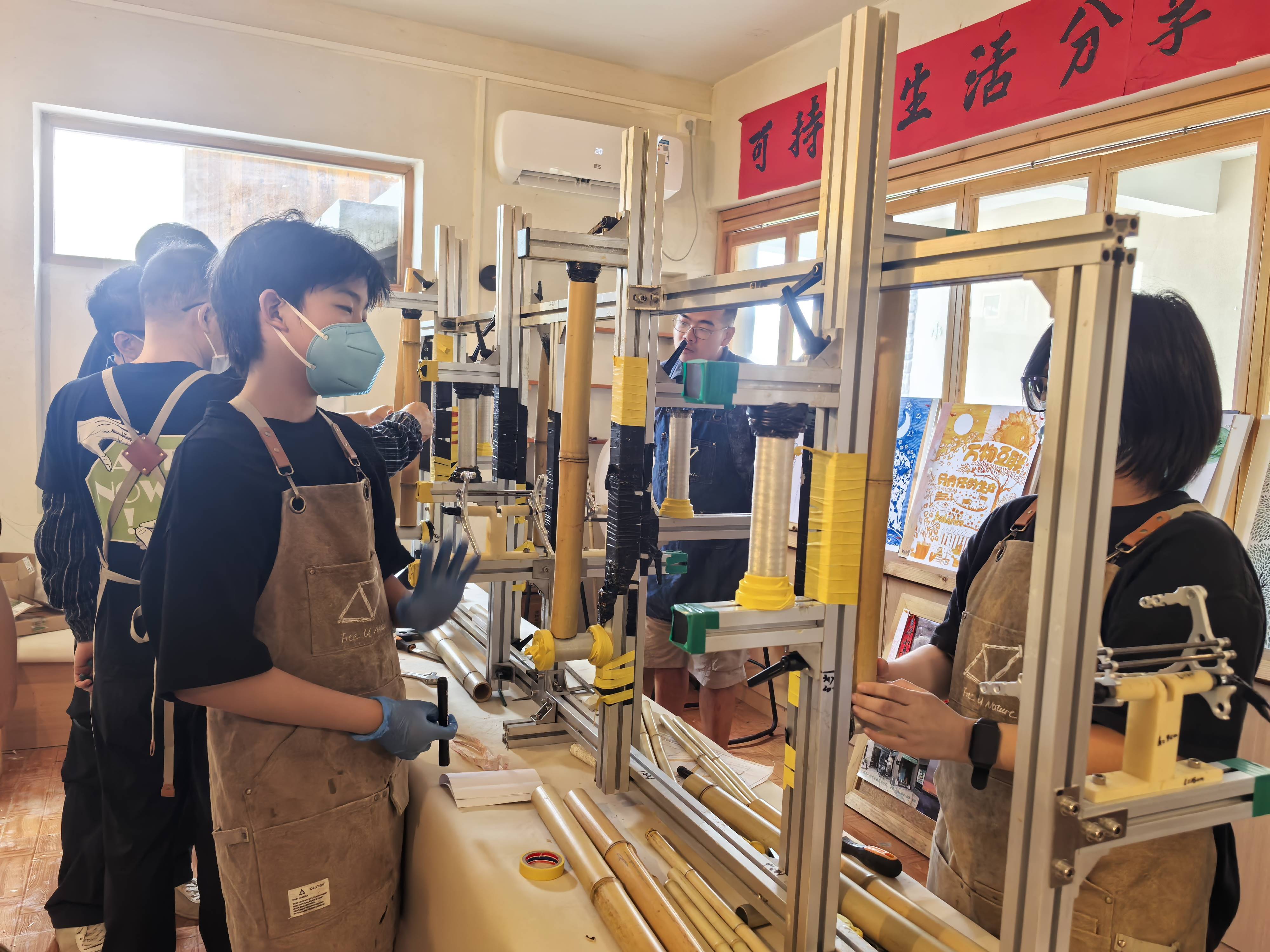
Eco-Market and organizes activities such as bamboo bicycle workshops, river
patrols, and community dragon boat teams, integrating green living with cultural
and social engagement.
三年来,虫鸣岛已协助销售100余家生态农场的300多种日常生态产品,总销售额突破200万元;绿色空间累计接待超3000人次,举办150余场涵盖自然教育、环境科普等多类型活动,每月定期参与杭州生态市集,不定期开展竹子自行车手工坊等特色活动,还倡导组建社区龙舟队,推动绿色生活与文化社交深度融合。
The space itself embodies a zero-waste philosophy, emphasizing
the efficient use of existing resources and activating the low-carbon potential
of the urban environment. It features creative reuse of materials: old wooden
stakes form display shelves for eco-food, bamboo baskets organize goods, and
discarded rain boots and plastic bottles are repurposed as planters. Dedicated
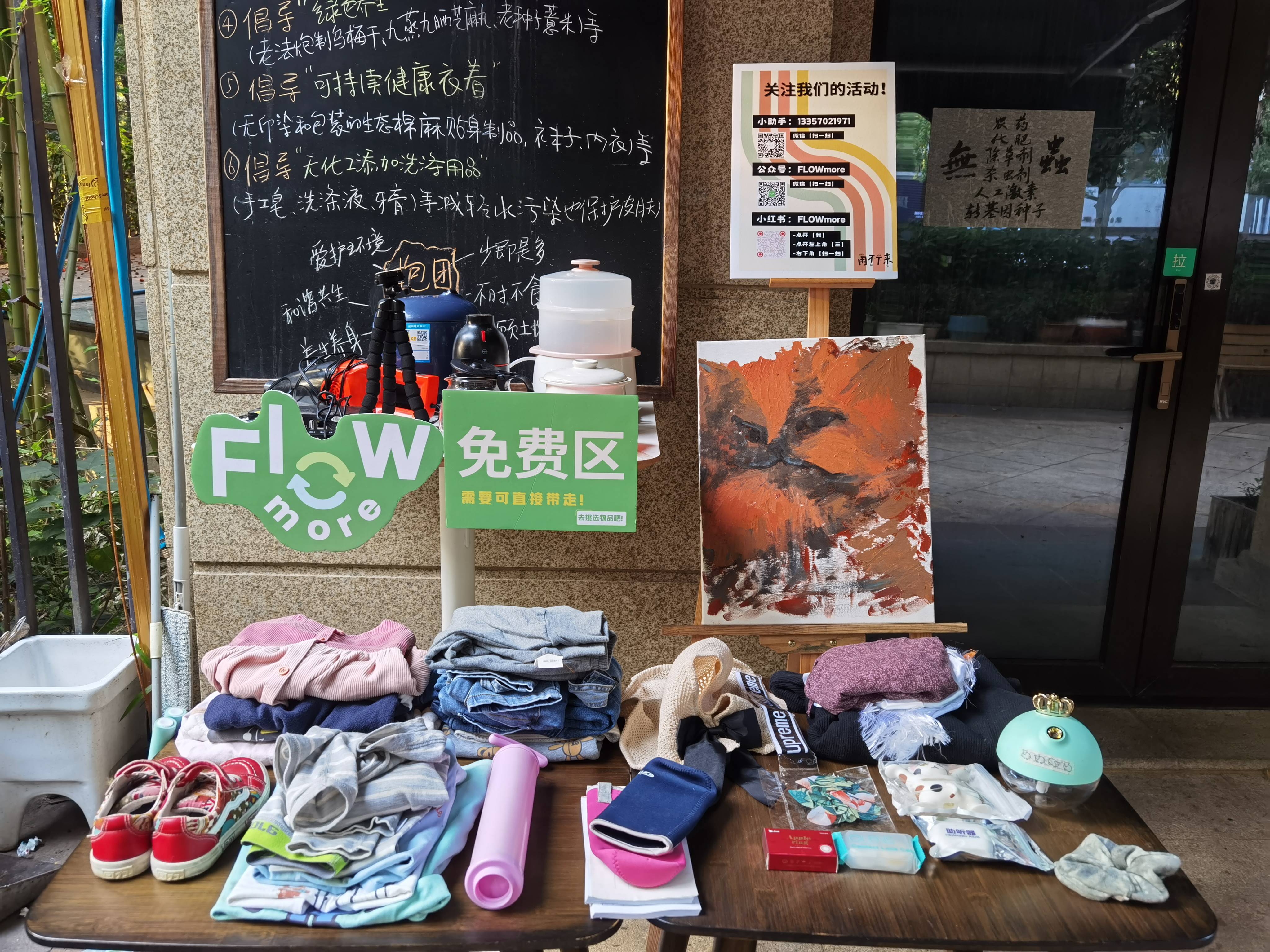
areas for zero-waste initiatives and second-hand exchanges encourage residents
to swap idle items. Moreover, the space focuses on reducing plastic use at the
source and has prevented the use of approximately 36,000 plastic bags to date.
该绿色空间秉持“用好既有资源、激活空间低碳潜力”理念,开展系列零废弃实践:用旧木桩搭建食品陈列架、竹篮收纳商品,将旧雨靴和塑料瓶改造为花盆;设立零废弃展区与闲置交换区,鼓励居民参与二手流转;从源头减少塑料使用,累计减少约3.6万个塑料袋使用。
Company/Organization Profile
机构简介
Hangzhou Chongming Earth Technology Co., Ltd. is an
environmental social enterprise guided by the principles of nature, ecology,
low-carbon practice, plastic reduction, and innovation. At the heart of our
operations is a community-based eco-grocery store that promotes sustainably
sourced ecological and conservation-friendly products from across China. We
also organize a range of public welfare activities focused on low-carbon
living, plastic reduction, waste sorting, natural education, and eco-culture,
effectively connecting ecological farmers with community residents.
杭州虫鸣岛科技有限公司是一家以自然、生态、低碳、减塑、创新为原则的环境社会企业。核心业务是社区生态杂货店,推广来自全国的可持续生态及保护地友好产品,同时组织低碳生活、减塑、垃圾分类、自然教育、生态文化等公益活动,有效链接生态农户与社区居民。
Through our integrated “community store + activities” model,
Chongming Earth strives to advance green, low-carbon, and sustainable
development at the neighborhood level. We aim to inspire residents to adopt
more sustainable daily behaviors, embedding “low-carbon life” into tangible
community settings. Our mission is to act as both a practitioner and
catalyst—activating the ecological value of urban spaces and fostering
harmonious coexistence between people and nature.
公司通过“社区门店+活动”一体化模式,推动社区层面绿色低碳可持续发展,激励居民养成可持续日常行为,将“低碳生活”融入社区实景。使命是成为践行者与催化剂,激活城市空间生态价值,促进人与自然和谐共生。

Project Outcome
项目成果
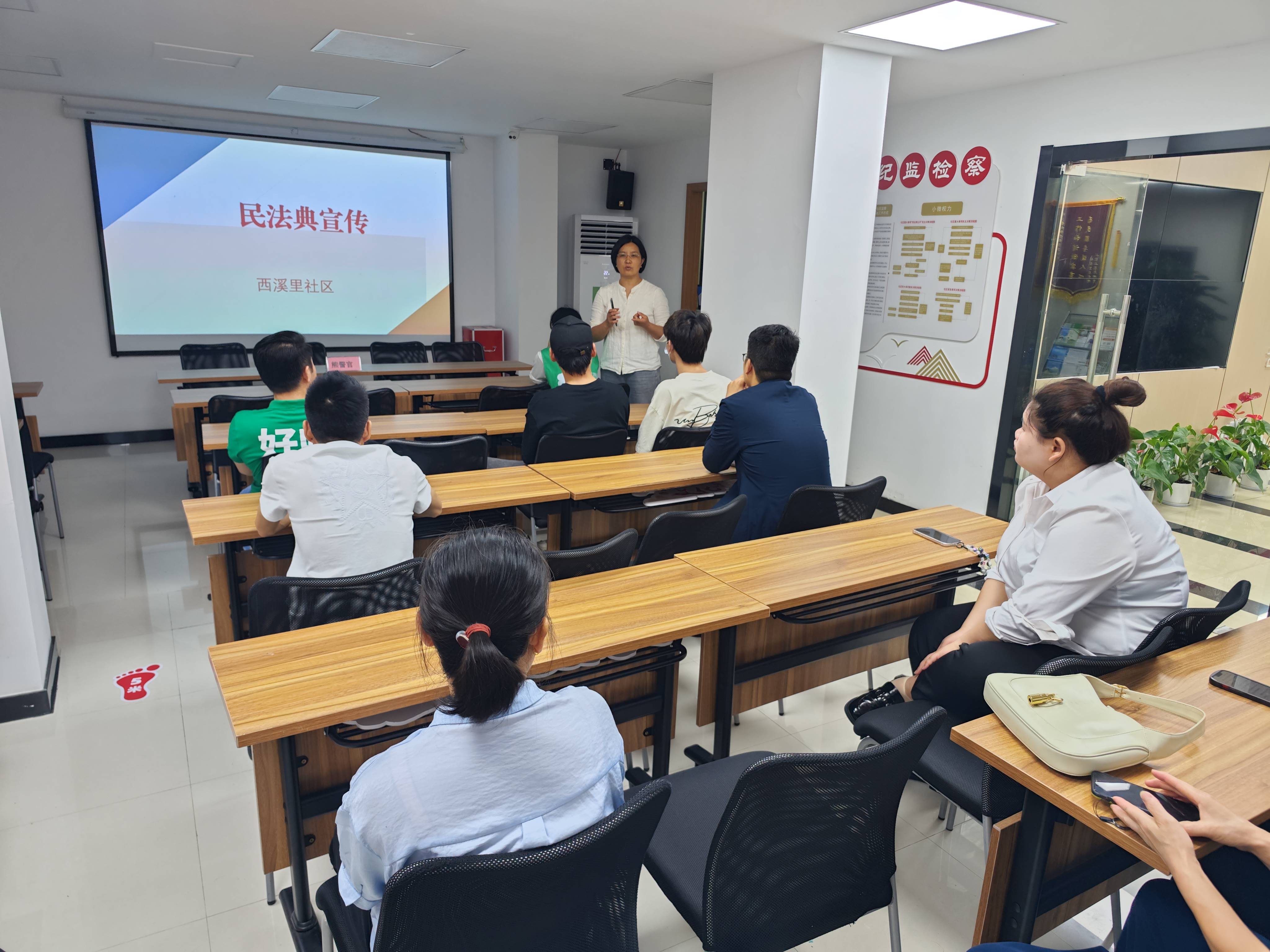
1. Science Outreach and Public Engagement: The project reaches
around 10,000 households in Zixia Street, Xihu District, Hangzhou, with over
2,900 members enrolled—10% of whom have adopted daily plastic-reduction habits.
Regular sustainability-themed reading sessions attract more than 10,000
participants annually online and offline. The monthly eco-market draws about
200 people per event, serving 5,000 residents each year. Thirty intern
volunteers have been trained, helping form a multi-stakeholder low-carbon
community network.
科普与社会动员成效:项目覆盖杭州市西湖区紫霞街周边约1万户居民,累计发展会员超2900人(10%养成日常减塑习惯);每周可持续主题读书活动线上线下年均参与逾1万人次,每月生态市集单场吸引约200人、年服务5000人次;招募培训30名实习生志愿者,建成多元参与的低碳社区行动网络。
2. Waste Reduction and Resource Recycling: Over 3,000 glass
bottles and 5,000 used cartons are recycled annually. By promoting reusable
containers and reducing disposable packaging, the project cut plastic bag usage
by 36,000 annually. Calculated using authoritative emission factors based on
Life Cycle Assessment (LCA) methodology, this reduction corresponds to approximately
0.9 tons of CO₂ emissions mitigated and 2.34 tons of standard coal saved,
significantly lowering the life-cycle resource consumption and environmental
impact associated with single-use plastics.
废弃物减量与资源循环成果:年均循环利用玻璃瓶3000余个、旧纸箱5000多个;推广可重复使用容器及减少一次性包装,全年减少塑料袋使用3.6万个,核算后实现二氧化碳减排约0.9吨、节约标准煤约2.34吨,降低一次性塑料全生命周期资源消耗与环境影响。
3. Economic Empowerment: A direct-sales platform connecting
eco-farmers with community residents has helped over 100 farming households
increase their annual income by a total of RMB 400,000, averaging RMB 4,000 per
household. This establishes a virtuous cycle where low-carbon consumption
supports sustainable eco-agriculture.
经济赋能效益:搭建生态农户与社区居民直连平台,帮助100余户生态种植农户年均增收40万元,户均增收4000元,形成“低碳生态消费助力生态农业”的良性经济循环。
4. Ecological Conservation Benefits: The initiative has
introduced over 20 types of conservation-friendly products, guiding community
residents to choose eco-friendly and climate-conscious ingredients. This
consumer shift helps reduce the use of pesticides and chemical fertilizers in biodiversity
hotspots within nature reserves, mitigating agricultural non-point source
pollution. These efforts provide indirect support for regional biodiversity
conservation and contribute to greater ecosystem stability.
生态保护效益:重点推广20余种保护地友好产品,引导居民选择生态友好型、气候友好型食材,反向推动自然保护地生物多样性热点地区减少农药化肥使用,降低农业面源污染,为区域生物多样性保护提供支撑,促进生态系统稳定。
5. Community Building and Social Impact: Community initiatives
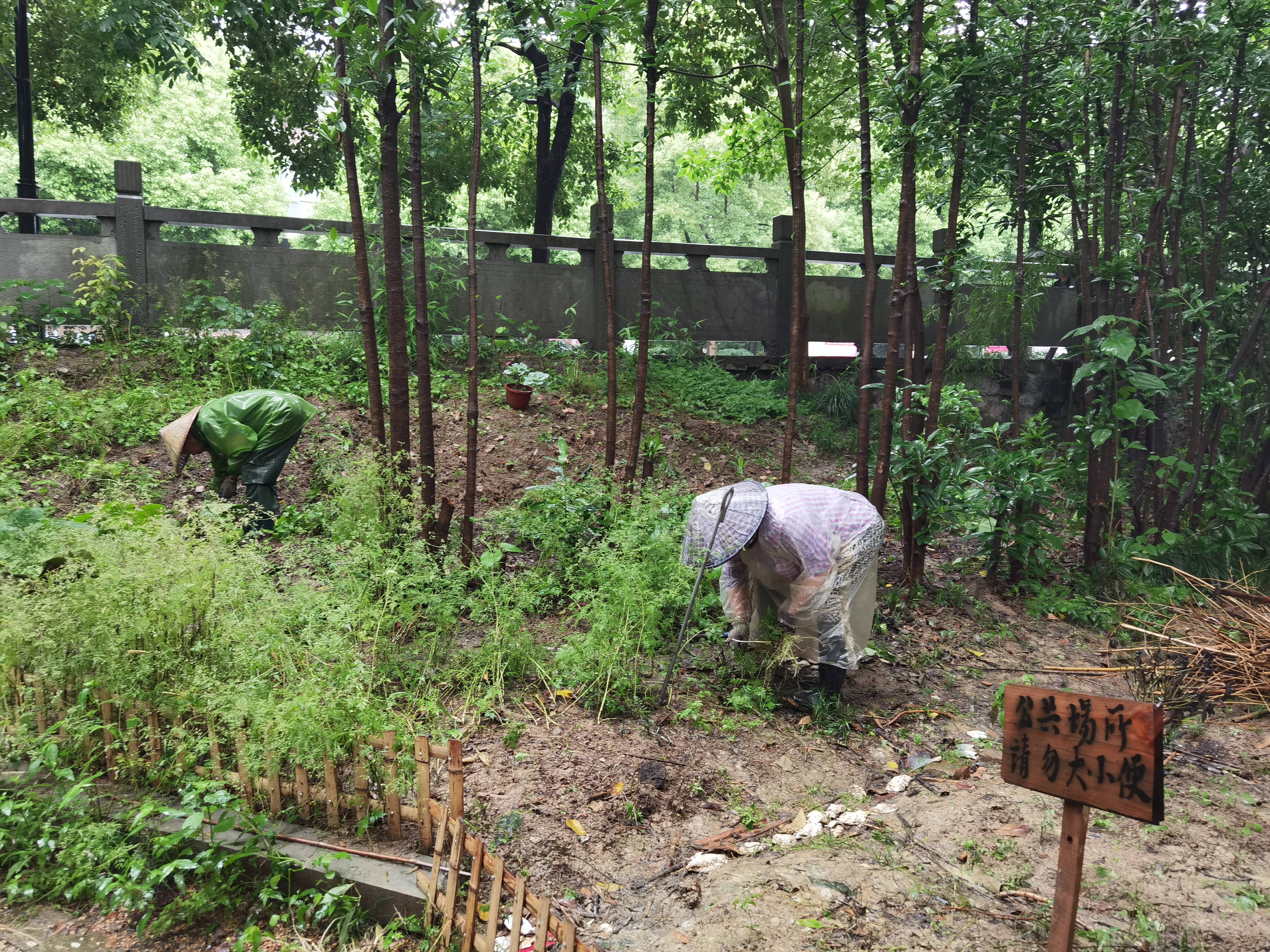
such as a dragon boat team and sustainability study groups have engaged over
300 residents. These activities strengthen low-carbon values and behavior
change, integrate green culture into community governance, and enhance social
cohesion and ecological awareness.
社群建设与社会效益:发起社区龙舟队、国学共读小组等低碳社群,核心参与居民超300人,通过社群互动增强低碳认同与行为转变,推动绿色文化融入社区治理,提升社区凝聚力与生态意识。
Project Highlights
项目亮点
Chongming Earth prioritizes the use of existing resources,
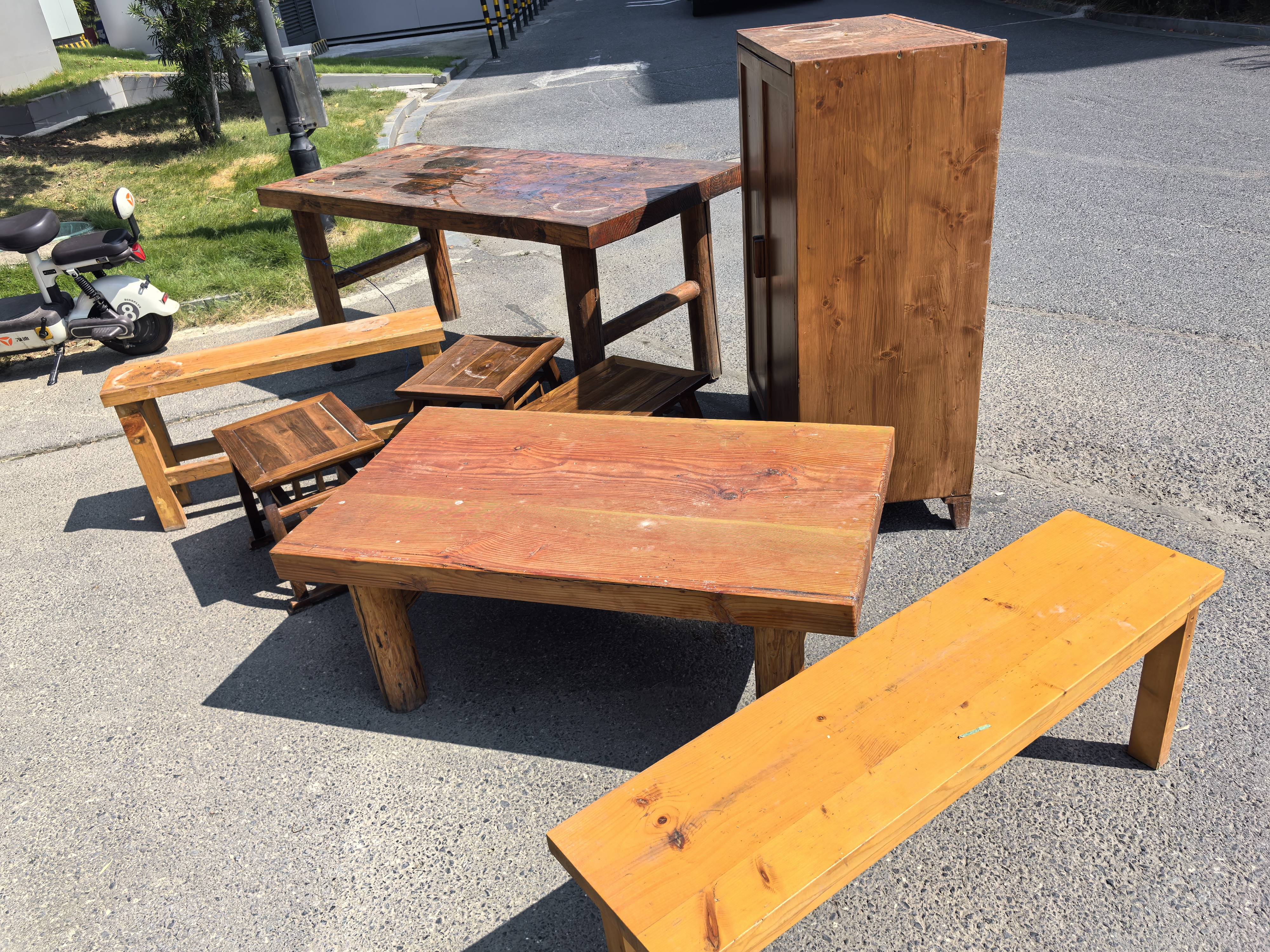
transforming spaces with discarded renovation materials and idle objects: old
wooden piles and bamboo baskets form shop displays; repurposed rain boots and
plastic bottles become planters in community gardens. The project innovatively
integrates climate action and biodiversity conservation, promoting eco-friendly
food and public education to establish a “resource recycling-behavior
change-community governance” low-carbon model.
项目优先利用既有资源,用废弃装修材料和闲置物品改造空间:旧木桩、竹篮搭建店铺陈列架,旧雨靴、塑料瓶改造为社区花园花盆。创新融合气候行动与生物多样性保护,通过推广生态友好食品与公众教育,建立“资源循环-行为转变-社区治理”的低碳模式。
Over 90% of residents expressed satisfaction, with members
noting that the “store makes low-carbon living effortless,” and volunteers
affirming that “activities effectively boost public engagement.” The initiative
has been featured by media including China Daily and Hangzhou Daily’s Tide
News, generating broad social impact.
超90%居民表示满意,会员反馈“店铺让低碳生活变得轻松”,志愿者称“活动有效提升公众参与度”。项目获《中国日报》《杭州日报》潮新闻等媒体报道,社会影响力广泛。
Project Implementation
项目实施
1. Implementation Plan and Process: From April 2021 to March
2022, the project carried out systematic needs assessment through in-depth
interviews with diverse residents in Zixia Street Community of Xihu District,
Hangzhou. It identified widespread public concern over overuse of single-use
plastics and a strong desire for “convenient access to safe and ecological food
within the community.” Based on these findings, the project established a dual
core strategy: promoting sustainable community living and ecological food.
实施方案与过程:2021年4月至2022年3月开展系统化需求调研,通过深度访谈西湖区紫霞街社区居民,明确居民关注“一次性塑料过度使用”、希望“便捷获取安全生态食材”的核心需求,确立“社区可持续生活倡导+生态良食推广”双核心实施路径。
2. From April to December 2022, the green space was retrofitted
and launched on a trial basis. A previously vacant storefront in the community
center was repurposed under the principle of “zero-new-construction,
high-reuse.” All renovation materials were sourced from discarded local
building materials, secondhand markets, and idle household items. Using
transformed old wooden piles as shelves, bamboo baskets for food storage, and
repurposed rain boots and plastic bottles as planters, the project created an
eco-friendly store atmosphere while reducing renovation costs by 60%. The
interior is clearly divided into an eco-food zone (offering package-free or
minimally packaged food with reusable containers), a plant-based daily products
zone, a zero-waste section, and an idle item exchange area, comprehensively
activating the low-carbon potential of the existing space.
2022年4月至12月为绿色空间改造与试运营阶段:选定社区中心闲置商铺,遵循“零新建、高复用”原则,装修材料均来自周边丢弃建材、二手市场旧物及居民闲置资源,通过旧物改造营造生态店铺氛围,降低60%装修成本;店内划分多功能区域,全面激发既有空间低碳功能。
3. Since January 2023, regular operations began with a
dual-track activity system of “regular events + themed events.” Regular events
include weekly sustainability reading sessions (held both online and offline)
and a monthly eco-market, complemented by interactive activities on plastic
reduction and waste sorting. Themed events include bamboo bicycle workshops and
climate-themed parent-child games, forming a multi-age and multi-scene
mechanism for guiding low-carbon behaviors.
2023年1月起进入常态化运营,构建“固定活动+特色活动”双轨制可持续倡导体系:固定活动包括每周六可持续经典共读、每月生态市集(嵌入减塑科普等互动);特色活动不定期开展竹子自行车手工坊等,形成覆盖多年龄段、多场景的低碳行为引导机制。
4. Before-and-After Comparison: Prior to implementation,
single-use plastics accounted for over 60% of residential waste. After
implementation, through reducing plastic bags and promoting reusable
containers, this proportion significantly dropped to between 15% and 50%,
greatly reducing plastic pollution pressure. Meanwhile, with the dedicated idle
item exchange area and community recycling system, the efficiency of material
reuse noticeably improved, reducing the pressure on solid waste disposal and
advancing the community toward a “low-consumption, high-recycling” model.
实施前后对比 - 社区环境维度:实施前,居民生活垃圾中一次性塑料占比超60%;实施后,参与居民户该比例降至15%-50%,塑料污染负荷大幅减轻;闲置物资回收效率提升,降低固体废弃物清运处理压力,推动社区向“低消耗、高循环”模式转变。
5. Positive changes were also observed in resident behavior: the
proportion of residents using reusable shopping bags increased from 10% to 40%,
and the number of people actively participating in low-carbon activities rose
from fewer than 20 to about 200 per month, with participation becoming more
regular. A community atmosphere of “proactive practice and willing sharing” of
low-carbon living has gradually developed.
实施前后对比 - 居民行为维度:使用可重复购物袋的居民比例从10%提高到40%,主动参与低碳活动的人数从每月不足20人增至约200人,参与频率从“偶尔”变为“定期”,社区内逐渐形成“主动践行、乐于分享”的低碳生活氛围。
6. Challenge Response and Support System: In the early stages,
the project faced challenges with low consumer trust in ecological foods. The
team adopted a long-term strategy focused on “visualized traceability,” by
displaying farming process records, facilitating farmer-consumer interactions,
providing pesticide-free test reports, and organizing food tasting events to
gradually build a transparent and credible food system.
挑战应对与支持体系 - 核心挑战与解决:初期面临生态食材消费者信任度低的问题,团队通过“食材溯源可视化”策略,展示种植记录、组织农人互动、提供无农残检测报告及品鉴活动,逐步建立透明可信的食物体系。
7. The project received extensive support: interdisciplinary
experts from Xiamen University, Hunan University, and Zhejiang University of
Finance & Economics provided professional guidance in operations
management, ecological assessment, and content planning; stable supply
partnerships were established with over 100 ecological farms nationwide,
ensuring product quality and sustainable supply; more than 30 interns and
volunteers assisted in daily operations, event execution, and promotion; the
local sub-district office granted the project the title of “Red Heart
Environmental Protection Station,” and community schools and parent committees
actively participated, forming a sustainable support mechanism characterized by
“multi-party collaboration and mutual benefit.”
挑战应对与支持体系 - 多方协同支持:获多校跨学科专家专业支持,与全国超100家生态农户建立稳定供货关系,30余名实习生和志愿者协助运营推广;所在街道授予“红心环保工作站”资质,社区学校及家委会积极参与,形成“多方协作、互利共赢”的可持续支持机制。
Project Impact & Sustainability
项目影响力、可推广性与可持续性
1. Innovative Value: The project innovatively employs a
dual-driven model combining a “community eco-food store + low-carbon daily
activities,” effectively merging commercial and public welfare elements to
overcome the conventional divide between profit-driven business and grassroots
philanthropy. Revenue generated from eco-food sales helps fund low-carbon
education and promotional activities, ensuring economic sustainability while
addressing the common pain points of traditional charity projects—such as
reliance on external funding and weak self-sustaining capacity—thereby creating
a closed-loop ecosystem where “business supports public good, and public good
stimulates consumption.”
创新价值:创新性采用“社区生态良食小店+低碳日常活动”双轮驱动模式,融合商业与公益属性,突破传统二者割裂的局限。通过生态食材销售收益反哺社区低碳宣传教育活动,既维持经济可持续性,又克服纯公益项目依赖外部资金、自我造血能力不足的痛点,形成“商业支撑公益,公益带动消费”的闭环生态。
2. Industry and Social Impact: At the community level, the
project has significantly facilitated the shift of residents' low-carbon
behavior from awareness and attitude to everyday action, achieving tangible and
measurable behavioral improvements. On a regional and societal level, it has
created a demonstration effect that radiates outward: multiple social
entrepreneurs have sought collaboration advice, dozens of eco-farms have joined
as suppliers, and over a hundred types of eco-products have entered the
community, spreading low-carbon awareness on a broader scale and providing a
replicable reference for green community governance and public participation.
行业与社会推动作用:社区层面,推动居民低碳行为从认知认同向实际行动转化,取得可感知、可测量的行为改善成效;区域与社会层面,形成以点带面的示范效应,吸引社会创业者咨询合作,数十家生态农场主动参与供应,超百种生态产品进入社区,为社区绿色治理与公众参与提供可复制参考路径。
3. Scalability and Future Plans: The model relies on “secondhand
renovation + zero-waste operation,” characterized by low cost and easy
replicability, making it suitable for most urban old community renewal and
green space development. Future plans focus on two aspects: launching one
additional community store in Hangzhou within the next year to verify
standardization and scalability, and simultaneously developing a “community
low-carbon point system” that incentivizes sustained participation through
mechanisms such as exchanging activity engagement for eco-products, thereby
enhancing both reach and retention in community low-carbon practices.
可推广性与后续规划:模式依托“旧物改造+零废弃运营”,具备低成本、易复制特点,适配大多数城市老旧社区更新与绿色场景营造。后续计划:一年内在杭州新增1家线下社区店,验证标准化与规模化可行性;开发“社区低碳积分系统”,通过活动参与兑换生态产品等机制增强居民持续参与动力,提升社区低碳实践的粘性与广度。
(Using AI translation)
(使用AI翻译)
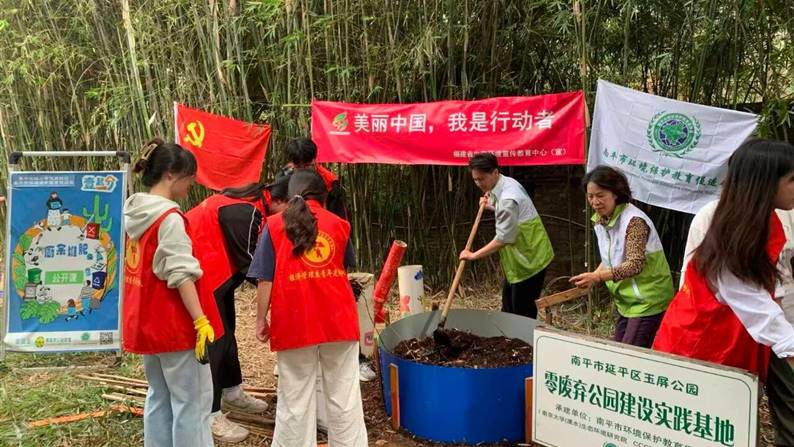
南平零废弃建设等案例,在联合国COP30大会上向全球发布!
12-04 · 来源:福建南平环境 · 作者:福建南平环境

上海市第六人民医院入选《2025美丽中国 · 绿色空间使用者典型案例集》
12-04 · 来源:徐汇生态环境 · 作者:徐汇生态环境
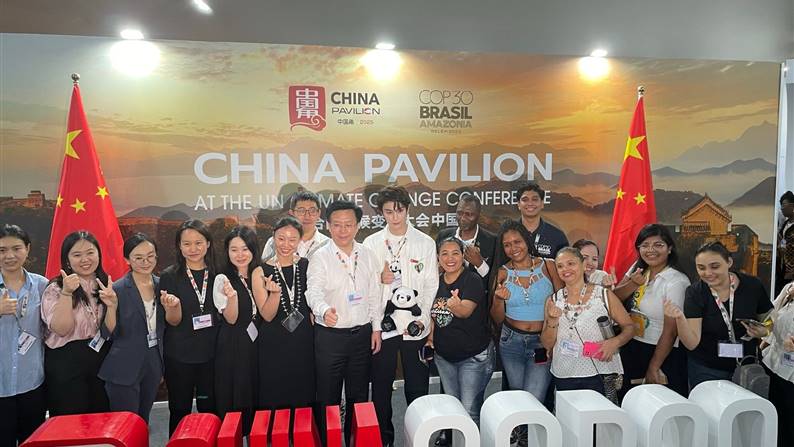
当青年演员/联合国新闻特派员走进COP30🌍
11-27 · 来源:DGUS · 作者:DGUS
